Keeping aquarium fish healthy depends on more than clean water and a beautiful tank setup. One of the most important factors is choosing the right Fish Food that supports proper nutrition, growth, and immunity. The food you provide directly affects your fish’s lifespan, color, and activity level.
Understanding Fish Nutrition for Healthy Growth
Every fish species has different nutritional needs. Some are herbivores, some carnivores, and others are omnivores. A proper fish diet for healthy growth must include the right balance of protein, vitamins, fats, and minerals.
Protein is especially important because it helps in muscle development and overall growth. This is why protein-rich fish food is often recommended for young and growing fish. However, too much protein without balance can harm water quality and digestion.
Fish also need vitamins like Vitamin C and D for immunity and bone health. Minerals help in proper body function, while fats provide energy. Feeding only one type of food can lead to deficiencies, so variety is key.
When you understand what your fish naturally eat in the wild, it becomes easier to choose the right food in an aquarium environment.
Best Freshwater Fish Food for Growth
Choosing the best freshwater fish food for growth depends on your fish type and their life stage. Baby fish (fry) need high-protein diets, while adult fish require balanced nutrition for maintenance and color enhancement.
For example:
- Tropical fish need a mix of protein and plant-based food
- Goldfish prefer more plant-based diets
- Betta fish require high-protein food
High-quality fish food should have clear ingredient labeling. Look for real fish meal, shrimp, or algae as main ingredients instead of fillers. Cheap food may save money but can harm fish health in the long run.
Also, always observe your fish after feeding. Healthy fish are active, show bright colors, and eat quickly. If food is left uneaten, it may not be suitable.
A Beginner’s Guide to Fish Food Types
This aquarium guide is especially helpful for beginners who are confused by so many options available in the market. Fish food generally comes in different forms such as flakes, pellets, frozen, and live food.
Flake food is the most common and easy to use. It is suitable for surface feeders and community tanks. Pellets are better for mid and bottom feeders as they sink slowly.
For better results, combine different types of food rather than relying on just one.
Beginners should start with high-quality flake or pellet food and gradually introduce other types like frozen or live food for variety.
Types of Fish Food and Their Key Benefits
There are several types of fish food available, and each has its own benefits. Understanding these will help you create a balanced feeding routine.
- Flake food is easy to feed and widely available, and works for most community fish, though it can lose nutrients quickly once it’s in the water.
- Pellet food comes in floating and sinking types, which makes it better for targeted feeding and produces less waste than flakes.
- Live food (worms, brine shrimp, insects) is highly nutritious and popular with fish, but it needs careful handling.
- Freeze-dried food is a safer alternative to live food that retains nutrients and has a longer shelf life.
Each type plays a role in providing a fish diet for healthy growth, so mixing them wisely is the best approach.
Feeding by Life Stage: Fry, Juvenile, and Adult Fish
Growth rate depends as much on feeding schedule as on the food itself, and that schedule changes as a fish matures:
- Fry (newly hatched): need very small, high-protein feeds (powder or micro pellets) several times a day since their stomachs are tiny and growth is fastest at this stage.
- Juveniles: can move to standard flakes or small pellets, still fed 2-3 times daily, with protein levels around 35-40% to support rapid tissue growth.
- Adults: need fewer daily feedings (once or twice) and comparatively less protein, since growth has slowed and the focus shifts to maintenance, color, and immunity.
A common growth mistake is feeding adult-stage food to fry, or vice versa: the pellet size alone can be too large for a young fish to eat, and the protein ratio may not match what that life stage actually needs.
Protein Rich Fish Food for Faster Fish Growth
Protein plays a major role in fish development. Protein-rich fish food helps in tissue repair, growth, and energy supply.
Fish like bettas, cichlids, and carnivorous species require higher protein intake compared to herbivorous fish. Foods like shrimp-based pellets, bloodworms, and brine shrimp are excellent sources of protein.
However, overfeeding protein can cause digestive issues and pollute the tank water. So, balance is very important. Feed small portions and observe how your fish respond.
Frozen Fish Food Benefits for Aquarium Fish Diet
Frozen fish food is becoming increasingly popular among aquarium owners. It offers many advantages over traditional dry food.
Frozen fish food benefits include better nutrient retention, natural taste, and improved digestion. Fish often show more excitement and natural behavior when fed frozen food.
Common frozen options include bloodworms, brine shrimp, and daphnia. These are especially useful for picky eaters or fish recovering from illness.
Before feeding, always thaw frozen food properly. Never add it directly to the tank, as it can affect water temperature and quality.
Including frozen food once or twice a week can significantly improve your aquarium fish’s overall health and growth.
How to Create a Balanced Fish Diet Plan?
A balanced diet is the foundation of a healthy aquarium. Feeding the same food daily can lead to nutritional gaps.
Here’s a simple way to create a balanced plan:
- Daily: High-quality flakes or pellets
- 2-3 times a week: Protein rich fish food
- 1-2 times a week: Frozen or live food
- Occasionally: Vegetable-based food for herbivores
Common Fish Feeding Mistakes You Should Avoid
These are the feeding mistakes that most often affect fish health.
Overfeeding is the most common issue. Excess food settles at the bottom, polluting the water and causing diseases.
Another mistake is ignoring fish type. Feeding the same food to all fish without considering their dietary needs can lead to malnutrition.
Using low-quality food is also harmful. Cheap products often contain fillers and lack essential nutrients.
Fish Food Comparison Table for Easy Selection
| Food Type | Best For | Benefits | Feeding Frequency |
| Flakes | Beginner fish tanks | Easy to use, affordable | Daily |
| Pellets | Mid & bottom feeders | Less waste, targeted feeding | Daily |
| Live Food | Carnivorous fish | High nutrition, natural diet | 1-2 times/week |
| Frozen Food | All fish types | Better nutrients, tasty | 1-2 times/week |
| Freeze-Dried | Variety feeding | Long shelf life, safe option | Occasionally |
Product Picks for Growth and Immune Support
Two products cover most of what a growing or convalescing fish needs.
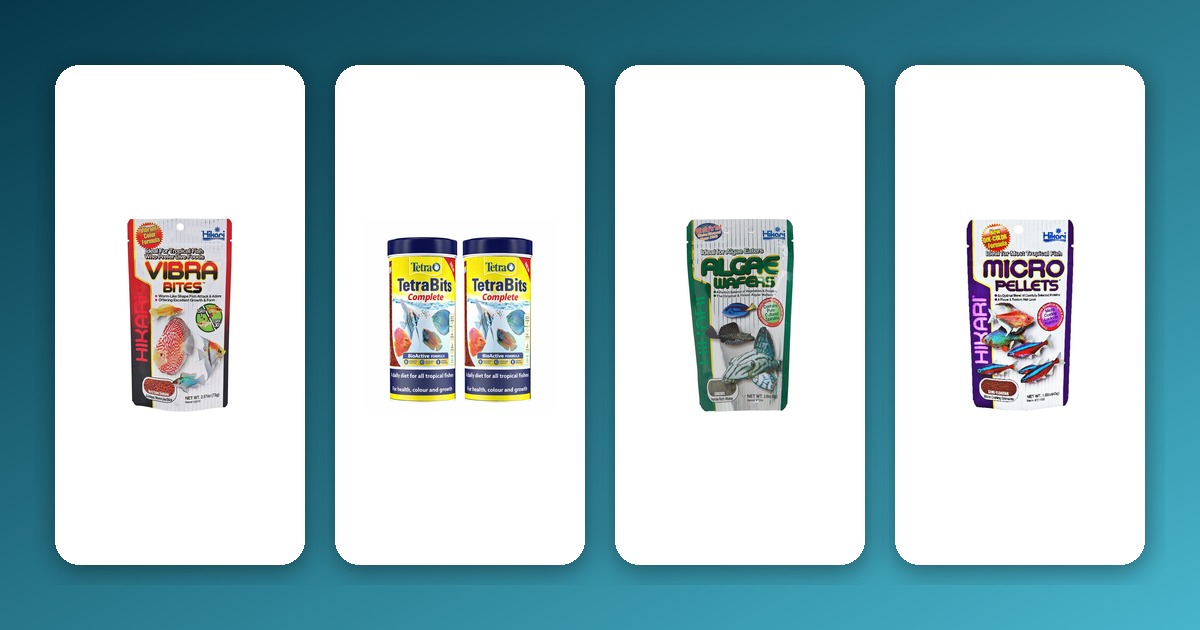
A protein-rich stick food such as Hikari Vibra Bites is formulated for exactly this kind of growth and immune support, and a sinking pellet like Tetra Bits Complete covers the mid-water and bottom feeders that flakes alone miss.
The two habits that make the biggest difference for growth are matching pellet or flake size to your fish’s current life stage, and rotating in a protein-rich food like the ones above rather than feeding the same flake every day.
Frequently Asked Questions (FAQs)
1. How often should I feed my aquarium fish?
You should feed your fish once or twice daily in small amounts that they can finish within 2-3 minutes.
2. What is the best fish food for growth?
The best fish food for growth is high in protein and made with quality ingredients like fish meal, shrimp, or algae.
3. Can I feed frozen food every day?
No, frozen food should be given 1-2 times a week along with regular food for a balanced diet.
4. Is overfeeding harmful to fish?
Yes, overfeeding can cause water pollution, digestive issues, and increase the risk of disease.
5. How do I know if my fish food is good quality?
Check the ingredient list, avoid fillers, and observe your fish’s health, color, and activity levels.