



CaribSea Special Grade Arag-Alive Reef Sand 10 lbs
Out of stock
Frequently Bought Together

All Shipments insured against damage and loss.

This live aragonite reef sand from CaribSea contains active bacteria for faster tank cycling and is ready to use straight from the bag, no rinsing required.
Description
Natural Perfection with CaribSea’s Special Grade Reef Sand
- Contains Live Bacteria to Assist with a Faster Cycle.
- High Surface Area for Bacteria.
- Ready to Use – No Rinsing.
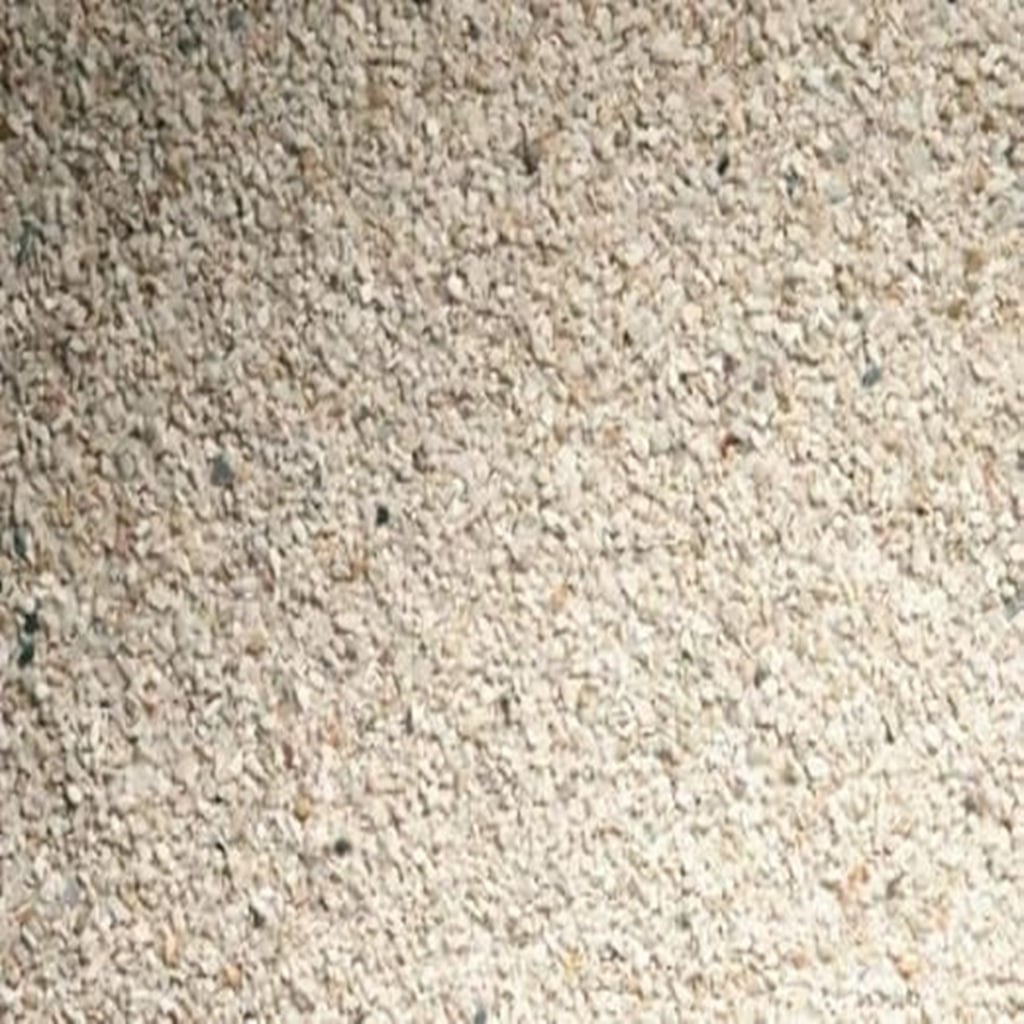
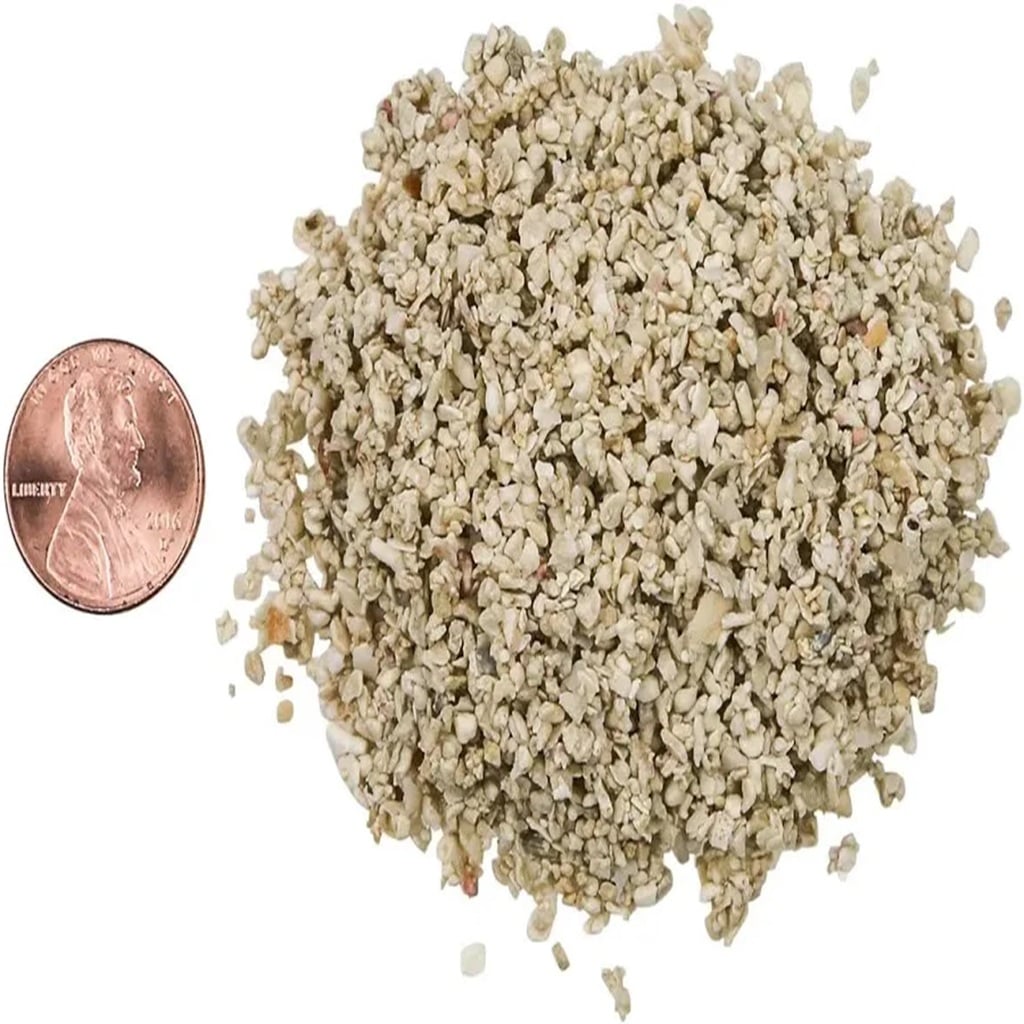
- Grain size : 1.00 – 2.00 mm.
CaribSea’s Special Grade Arag-Alive! Reef Sand offers a natural look and the perfect particle size for maintaining a thriving reef aquarium. Its special grade formula is designed to reduce detritus buildup and promote efficient water flow, ensuring optimal conditions for coral and invertebrate health. This reef sand is not just aesthetically pleasing; it’s functional, fostering an environment where beneficial bacteria can flourish, contributing to a natural filtration system that keeps your tank clean and balanced.
Live sand is a great choice for new reef tank setups as it clears quickly and contain millions of live bacteria, speeding up your tank’s cycle.
Setup & Use
Do not rinse it. That is the single most important instruction on this product and it is the opposite of what you do with dry sand. CaribSea’s instruction is to open the bag and put the contents straight into the aquarium — rinsing washes away the live bacteria you are paying for.
The liquid in the bag goes in too. CaribSea have changed this recently and it is worth knowing: the Bio-Magnet Clarifier used to come as a separate packet buried in the sand, and is now dissolved directly into the packing solution. So there is no packet to hunt for, and pouring the liquid down the drain throws away the clarifier that makes the tank clear quickly.
Sand first, then water. CaribSea are specific about the order: put the sand in the empty tank, not into a tank that already holds water. Pouring sand through the water column causes cloudiness that you then have to wait out. Fill afterwards, gently — a plate or a bowl on the sand to break the fall of the water keeps the bed where you put it.
Marine, reef or African cichlid only. This is aragonite, and CaribSea state plainly that it will increase pH and alkalinity — it is not a general freshwater or planted-tank substrate. If you are using it in an African cichlid tank, pour the liquid off first; in a marine or reef tank the liquid goes in with the sand.
How much sand you need. CaribSea’s rule of thumb is 1 to 2 pounds per gallon — in metric, 0.12 to 0.24 kg of sand per litre of tank volume, so a 200 litre tank wants somewhere between 24 and 48 kg depending on how deep you want the bed. That is a broad rule, and CaribSea publish an exact one as well.
CaribSea’s equation, in inches: length × width × the bed depth you want, divided by 1,728, then multiplied by the substrate’s density in pounds per cubic foot. The answer is how many pounds you need.
Worked through for this sand. Special Grade Reef has an average density of 85 lb per cubic foot, which is about 1.36 kg per litre of finished bed. A 60 × 30 cm footprint with a 50 mm bed is 9 litres of sand, so 9 × 1.36 = about 12.2 kg — three of these 10 lb (4.54 kg) bags. The same tank in CaribSea’s own units: 24 × 12 × 2 inches is 576, divided by 1,728 is 0.333 cubic feet, times 85 is 28 lb.
One caution on CaribSea’s own numbers. Their FAQ quotes a single rounded density of 100 lb per cubic foot for all Arag-Alive sands, while their product table gives 85 for this one. We have used the product table figure because it is specific to this sand. Using their rounded 100 would put you about 15% over, which is the safe direction to be wrong in — running a bag short halfway through filling a tank is the worse outcome.
How deep to make the bed — our advice, not CaribSea’s. CaribSea leave the depth to you, and it is genuinely a choice rather than a specification. Reef keepers generally go one of two ways: a thin cosmetic bed of 20–25 mm that you can siphon clean like a carpet, or a deep sand bed of 100 mm or more that is meant to run anaerobic at the bottom and process nitrate. The awkward middle — 40 to 70 mm — is deep enough to trap detritus and go anoxic in patches but not deep enough to do the useful part of that. Decide which of the two you are building before you work out how many bags to order.
Grain size: 1.0 to 2.0 mm. That is the coarse end of what people call sand, and it is the reason to pick this grade over an oolite. It stays put under reef flow instead of drifting into dunes, it does not get blasted around by a powerhead pointed low, and detritus sits on top of it where a siphon can reach rather than working its way in. The trade-off is that it looks less like a white sugar-sand lagoon, and burrowing sand-sifting animals find it harder work.
What happens next. Once the sand, water, rock and decor are in, start all your pumps and filters. CaribSea say the tank should begin to clear within hours and be completely clear in 24 to 48 hours. Any haze left after the substrate is in and the pumps are running will be pulled out by your filtration.
Then wait, and stock slowly. This is CaribSea’s own stocking advice and it is stricter than most people expect: once the tank has cleared at 24 to 48 hours, add no more than 1 inch of fish per 20 gallons (roughly 25 mm of fish per 75 litres) for the first two weeks, and then no more than 1 inch of fish per 5 gallons (25 mm per 19 litres) in total. Invertebrates can go in as soon as you can see the back of the tank, with the same restraint. A fast cycle is not the same thing as a mature tank, and this is where live sand setups usually come unstuck.
Adding to a bed you already have. Mix in about a cup a day, gently, into the existing substrate. Do not cap an old bed with a layer of new sand — CaribSea warn it can set off another cycle.
Replacing a bed you already have. Start at one side and siphon out and replace only 5 to 10% of the substrate a week. Even at that rate CaribSea expect the biological filtration to be affected for the next four to six weeks, and suggest increasing water changes over that period to keep ammonia, nitrite and nitrate down.
Freshness & Storage
Every batch we dispatch carries a minimum of 6 months’ remaining shelf life. Store this product in a cool, dry place away from direct sunlight, with the cap or inner foil closed tightly after each use.
Filter media and substrates carry no manufacturing or expiry date — their working life begins on first contact with water, not on the shelf.
Returns & Replacement
Returns are accepted within 7 days of delivery, provided the item is unused and in its original packaging. Manufacturer-sealed items cannot be returned once the seal is broken, and sale-priced items are not refundable.
If your item arrives defective or damaged, message us on WhatsApp with your order number — or email us, if you would rather — and we will replace it. Approved replacements are delivered within 3 to 5 business days. Transit damage is covered by insurance on every shipment. If tracking shows delivered but nothing reached you, tell us within 72 hours, which is the reporting window Indian couriers allow. Damage caused during installation or use is not covered; replacement spares for such cases are chargeable.
Full terms are on our Cancellation & Returns page.
Related Products


Reviews
Q & A
Ask a question
Verified Owner
Best product thank you @Indiefur although outer packaging was a bit damaged when I received the product.