
 2
2
-
×
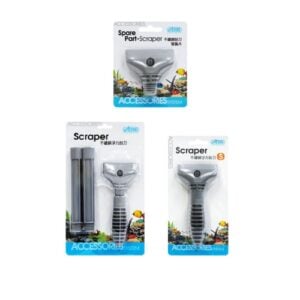 ISTA Scraper (with Extending Rods)
1 × ₹ 440
ISTA Scraper (with Extending Rods)
1 × ₹ 440 -
×
 Seachem Cupramine 250 ml
1 × ₹ 2,825
Seachem Cupramine 250 ml
1 × ₹ 2,825
Subtotal: ₹ 3,265


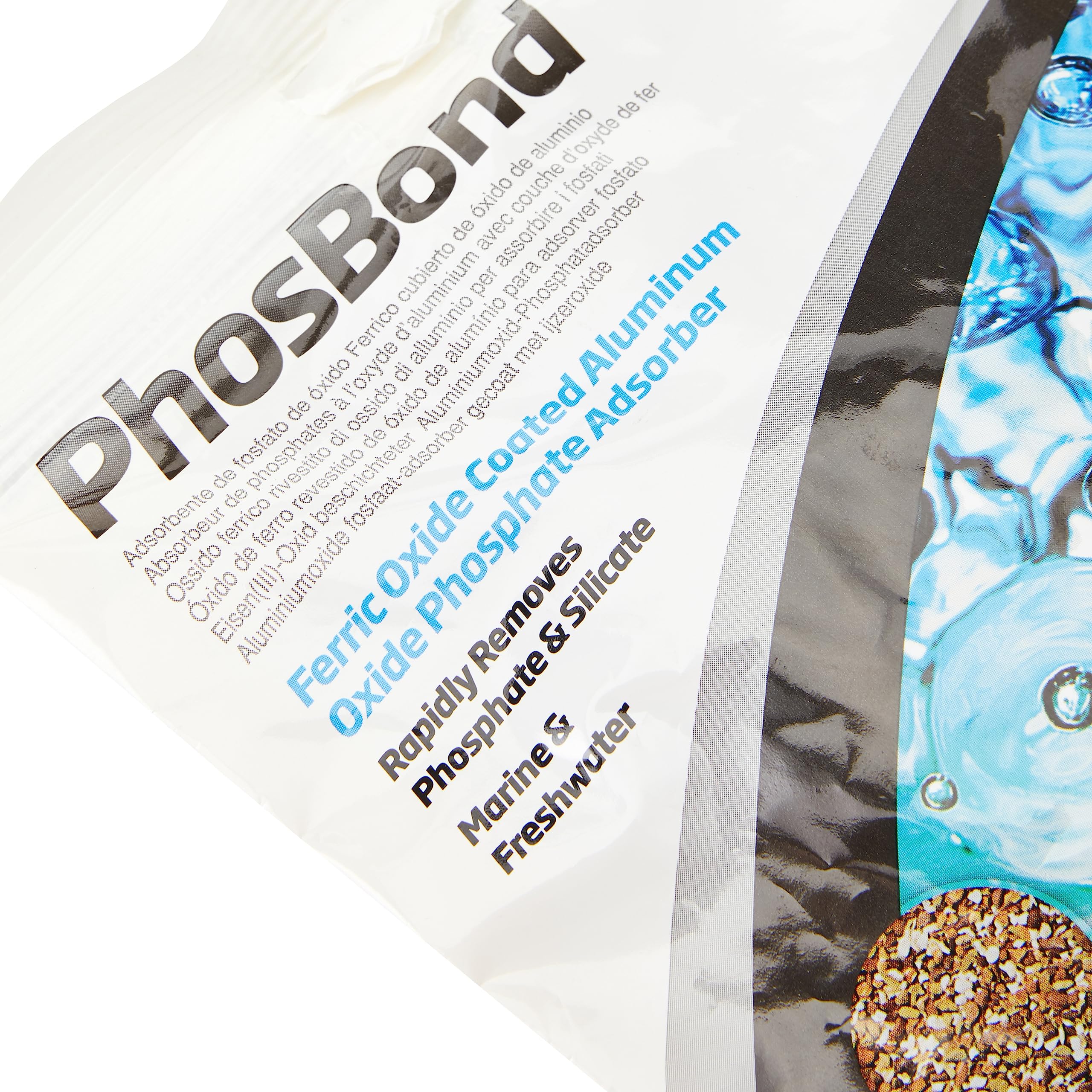


Seachem Phosbond 100 ml
In stock
Frequently Bought Together
All Shipments insured against damage and loss.

Seachem PhosBond combines aluminum oxide and granular ferric oxide in one synergistic media for powerful, efficient phosphate removal.
Description
PhosBond™ is a revolutionary new product that combines the phosphate removing capabilities of both aluminum oxide and granular ferric oxide into a singular material forming a synergistic effect. It rapidly removes phosphates and silicates from saltwater and freshwater, combining the best of both types of phosphate removers. Its high porosity and surface area give it a large binding capacity, while its physical strength and integrity assures that it will not break down from mechanical stress.
100 ml. Seachem supply no filter bag with PhosBond and their own directions tell you to use one — The Bag, or a Zip Bag Sm. Add one to your order if you do not already have a spare.
Specifications
Seachem item #1260 (100 mL). A hybrid phosphate remover: granular ferric oxide and aluminium oxide combined into a single material rather than mixed as two media. It removes phosphate and silicate from both salt and fresh water.
Capacity: 1.19 mg of phosphate bound per gram. Seachem publish the comparison across their own three removers, which is the only honest way to pick between them:
| Product | Phosphate bound |
|---|---|
| PhosGuard (aluminium oxide) | 0.87 mg/g |
| PhosBond (GFO and aluminium oxide hybrid) | 1.19 mg/g |
| PhosNet (GFO) | 1.41 mg/g |
Rate: 60 mL (a quarter cup) per 200 L (50 US gallons) of salt water, or per 400 L (100 US gallons) of fresh. The 100 mL pack is therefore a little under two doses for a 200 L marine tank.
It is physically tough. Seachem’s claim is that its strength and integrity keep it from breaking down under mechanical stress — the failure mode that turns cheaper GFO into brown dust in a reactor.
It is not an exchange resin and releases nothing. It will not leach phosphate or silicate back, and it may be removed, dried and returned to service until it is spent.
Seachem make the line in 100 mL, 250 mL, 500 mL, 1 L and 4 L.
Setup & Use
Rinse it before use, and give it flow without tumble. Seachem are specific: place it to maximise the flow of water through it, but not so that it tumbles against itself. A canister basket, a media chamber, a box filter, or the high-flow part of a trickle filter. A filter bag such as The Bag is recommended.
Then leave it alone for four days and test. That is the whole method. After four days test phosphate or silicate with MultiTest Phosphate or MultiTest Silicate. If the figure has not dropped to around 0.02 mg/L, replace the media; if it has, leave it in place until the level starts climbing again. While the number stays under control, the product is not exhausted.
Small and continuous beats large and occasional. Seachem’s words. Over-treating is not recommended — stripping phosphate to zero in a day is harder on corals than the phosphate was.
Freshness & Storage
Every batch we dispatch carries a minimum of 6 months’ remaining shelf life. Store this product in a cool, dry place away from direct sunlight, with the cap or inner foil closed tightly after each use.
Filter media and substrates carry no manufacturing or expiry date — their working life begins on first contact with water, not on the shelf.
Returns & Replacement
Returns are accepted within 7 days of delivery, provided the item is unused and in its original packaging. Manufacturer-sealed items cannot be returned once the seal is broken, and sale-priced items are not refundable.
If your item arrives defective or damaged, message us on WhatsApp with your order number, or email us if you would rather, and we will replace it. Approved replacements are delivered within 3 to 5 business days. Transit damage is covered by insurance on every shipment. If tracking shows delivered but nothing reached you, tell us within 72 hours, which is the reporting window Indian couriers allow. Damage caused during installation or use is not covered; replacement spares for such cases are chargeable.
Full terms are on our Cancellation & Returns page.
Related Products


Reviews
Sorry, no reviews match your current selections
Q & A
Ask a question