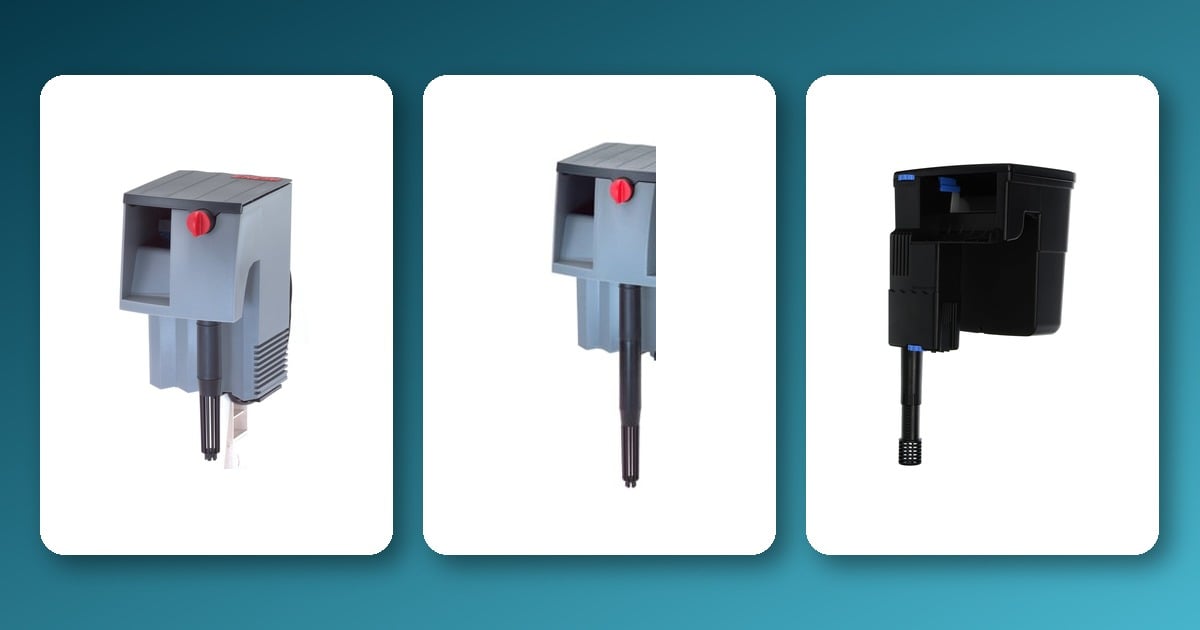
Filter media is where most saltwater filtration problems actually get solved or missed, not the filter housing itself. This guide covers the three filtration mechanisms every marine tank depends on, real media products and prices from IndieFur’s catalog, and the mistakes that quietly undermine an otherwise well-designed setup.
The three filtration mechanisms
Every saltwater aquarium depends on three filtration methods working together: mechanical filtration removes visible waste particles like uneaten food and floating debris; biological filtration relies on bacteria colonizing media surfaces to break down ammonia and nitrite through the nitrogen cycle; chemical filtration removes dissolved impurities (toxins, odors, discoloration) that the other two can’t touch. A tank missing any one of the three will show problems (cloudy water, algae, stressed fish) even if the other two mechanisms are working correctly.
Filter media by type: real products and prices
| Product | Mechanism | Price | Stock |
|---|---|---|---|
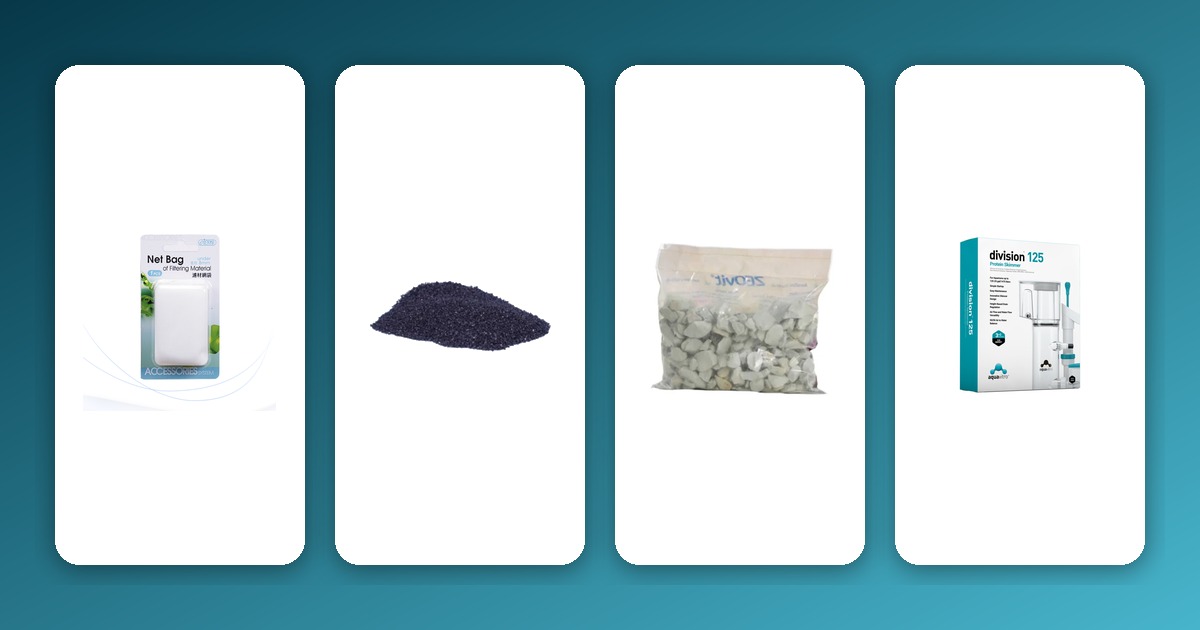
| ISTA Net Bag of Filtering Material | Mechanical (holds loose media) | ₹220 | In stock |
| Korallen-Zucht Activated Carbon 1000ml | Chemical | ₹4,200 | On backorder |
| Korallen-Zucht ZEOvit XL 1000ml Automatic Filter | Biological (zeolite media) | ₹1,920 | On backorder |
The two Korallen-Zucht products are currently on backorder: if your tank runs on either, order ahead of when your existing stock runs out rather than waiting until it’s gone. The filter media net bag is in stock.
Biological media: the foundation of a stable tank
Biological filtration is generally the most important of the three for long-term stability. Beneficial bacteria colonize media surfaces and convert ammonia into progressively less toxic compounds. Ceramic rings, bio balls, porous stones, live rock, and zeolite-based media like Korallen-Zucht ZEOvit XL all provide large surface areas for bacterial colonies to establish. Without adequate biological media, ammonia can rise quickly enough to harm fish and corals: this is the filtration stage worth over-investing in rather than under-investing in.
Chemical media and protein skimmers for reef tanks
Reef tanks need tighter water control than fish-only marine tanks because corals and invertebrates are more sensitive than fish to fluctuation. Activated carbon removes dissolved organics and discoloration; a protein skimmer pulls organic waste out of the water column before it has a chance to break down into ammonia in the first place, which is a meaningfully different job than either mechanical or chemical media does. Phosphate control also matters specifically for reef tanks, since elevated phosphate feeds algae that competes with corals for light and nutrients.
Sump filter systems
Sump systems separate filtration stages into dedicated chambers rather than stacking media in one housing: mechanical media (like a filter sock or the ISTA net bag) typically comes first, followed by biological media, then chemical. This staged approach improves flow and lets each media type do its job without interference from the others, which is why many advanced reef setups use sumps rather than all-in-one filters.
A well-designed sump improves water quality and overall aquarium stability compared to single-chamber filtration, though it adds setup complexity and an extra piece of equipment to maintain.
Common filter media mistakes
The most common mistake is replacing biological media too frequently: bacteria need time to establish, and swapping media unnecessarily resets that clock. A close second is overcleaning: mechanical media should be rinsed regularly since it physically traps debris, but biological media should only be rinsed gently in removed tank water, never tap water, which can kill the bacteria colony outright from chlorine or chloramine exposure. Using too much chemical media without monitoring water parameters can also create imbalances: more carbon or phosphate remover isn’t automatically better once the tank is already stable.
Choosing a filtration system for your tank
Fish-only marine tanks generally need strong biological and mechanical filtration without necessarily requiring a protein skimmer, though most owners add one anyway for the water-quality margin it provides. Reef tanks add chemical filtration and phosphate control as effectively mandatory rather than optional. When sizing a system, weigh aquarium size, fish and coral load, and how much manual maintenance you’re actually willing to do: a sump-based setup with more media stages needs more upkeep than a simpler canister or hang-on-back system, even if it filters better on paper.
IndieFur carries filtration products across mechanical, biological, and chemical categories for both fish-only and reef setups.
Conclusion
There’s no single best filter media for a saltwater aquarium: the most reliable systems combine mechanical, biological, and chemical media, sized and maintained to match the tank’s actual bioload. Biological media supports the bacteria that keep ammonia in check, activated carbon and protein skimmers handle what biological filtration can’t, and getting the maintenance schedule right (clean mechanical media often, disturb biological media rarely) matters as much as which products you buy.
Frequently asked questions
1. What is the most important filter media for a saltwater aquarium?
Biological media is generally the most important, since it supports the bacteria that process ammonia and nitrite, the two most immediately dangerous compounds for fish and corals.
2. Is activated carbon necessary in a marine aquarium?
It’s not strictly required for a fish-only tank, but it’s highly beneficial for removing dissolved organics, odors, and discoloration; most reef keepers run it continuously. Note that Korallen-Zucht Activated Carbon is currently on backorder at IndieFur.
3. How often should filter media be replaced?
Mechanical media may need frequent replacement since it physically traps debris. Biological media should only be replaced when necessary: unnecessary replacement disrupts the bacterial colony you’re relying on.
4. What filter media does a reef tank need that a fish-only tank doesn’t?
Reef tanks generally add a protein skimmer and phosphate-control media as close to mandatory, since corals are more sensitive to nutrient buildup than fish alone.
5. Can one type of filter media handle all filtration needs on its own?
No. Effective marine filtration requires mechanical, biological, and chemical media working together. Each removes something the others can’t.