A fish aquarium is more than a decorative glass tank. It’s a balanced aquatic environment where fish, plants, water, beneficial bacteria and equipment work together, and getting any one of those wrong shows up in the others pretty quickly.
Choosing one means more than picking a tank and adding colourful fish. Tank size, filtration, fish compatibility, water temperature, ongoing maintenance and running cost all interact with each other. Many first-time buyers start searching for a fish aquarium shop, pet shop or fish store nearby before they’ve worked out which setup actually fits their space and experience level.
This guide covers aquarium types, equipment, what drives the cost, setup and ongoing maintenance.
Why keep a fish aquarium
A fish aquarium adds colour and movement to a room, and it tends to encourage a regular care routine almost by accident, since fish need feeding and watching daily. It can be dressed up with plants, rocks, driftwood and lighting to fit almost any space: a small tank suits a compact room, while a large planted aquarium can become the main feature of a living room or office.
Types of fish aquarium
The right type depends on your space, budget and experience.
Freshwater aquariums
Freshwater tanks are the usual starting point because they’re generally easier to maintain than marine setups. Common freshwater fish include guppies, mollies, tetras, gouramis, barbs, goldfish and angelfish.
Planted aquariums
A planted aquarium keeps live aquatic plants alongside the fish. The plants take up nutrients from the water and give the tank a more natural look, but they need proper lighting and regular trimming to stay healthy rather than turning into algae-covered clutter.
Marine aquariums
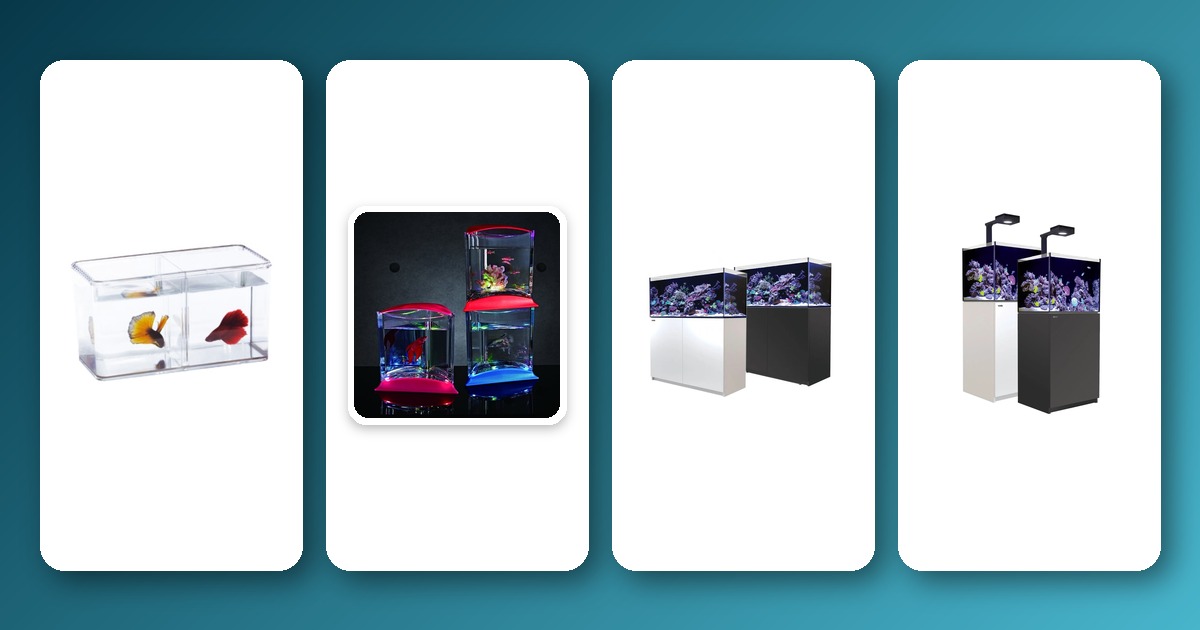
Marine tanks run saltwater ecosystems and need more filtration and more stable parameters than freshwater setups. Most serious marine setups on the market, including IndieFur’s own marine tank range, are built around an all-in-one design with an integrated sump: a separate chamber under the display tank that houses the heater, skimmer and filter media instead of leaving them inside the display. That keeps the visible tank cleaner and makes maintenance easier, at the cost of a larger overall footprint than a plain glass box.
Custom aquariums
A custom build is designed for a specific wall, corner, office or cabinet. It can include a matching stand, filtration hidden inside the cabinet, dedicated lighting and a built background, useful when a standard rectangular tank won’t fit the space.
In-stock marine tanks and Betta kits
-
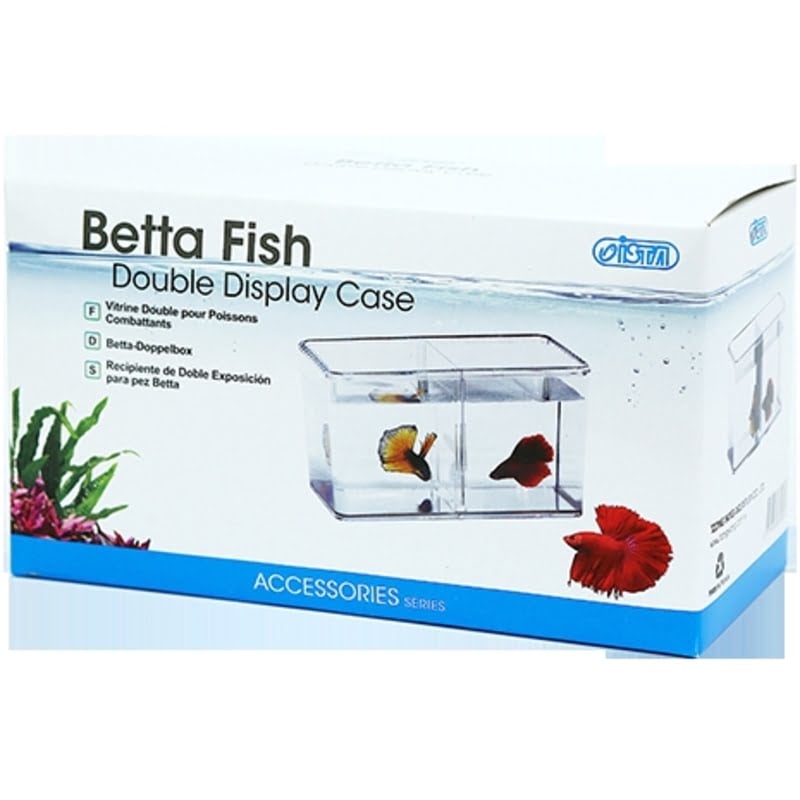
ISTA Betta Fish Double Display Case
₹ 539 -
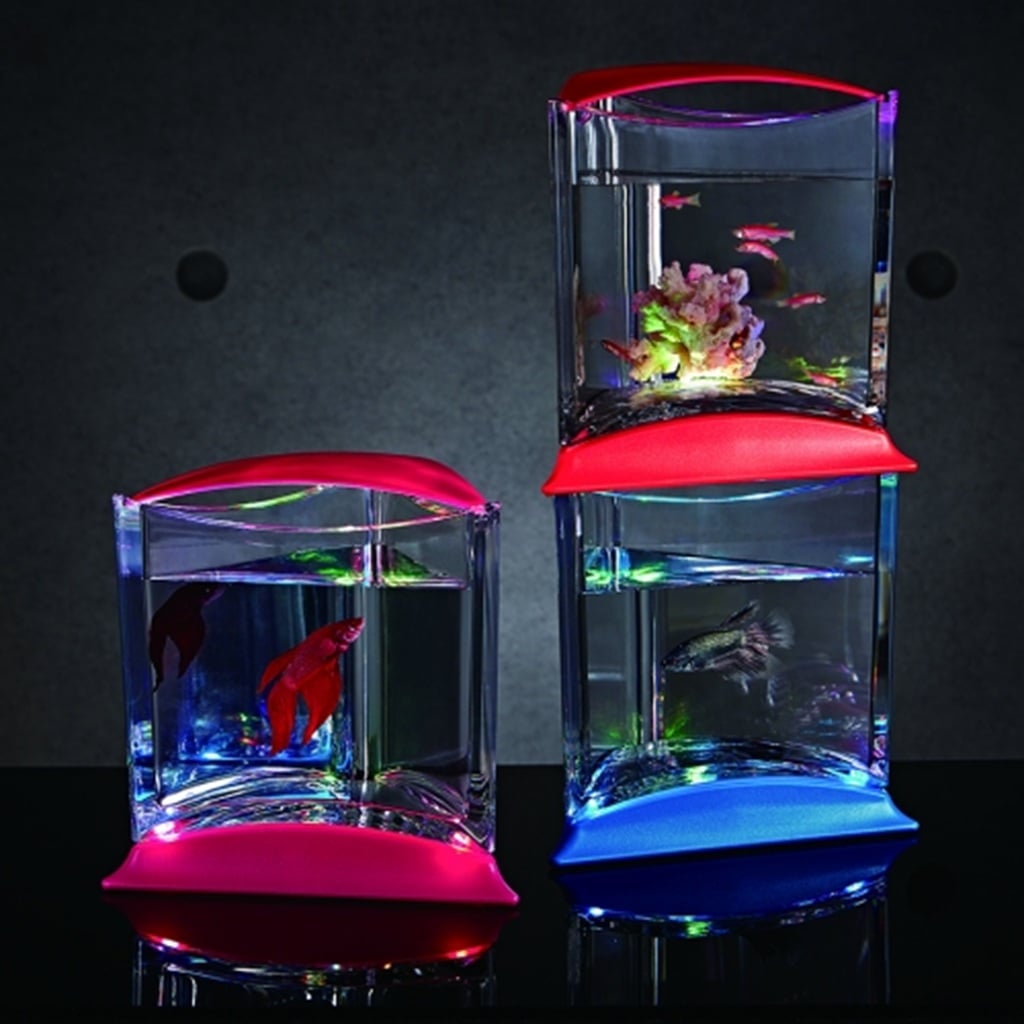
ISTA Stylish Display Case With Light
₹ 999 -

Red Sea Reefer 350 G2+ System (72 Gal)
₹ 270,000 -
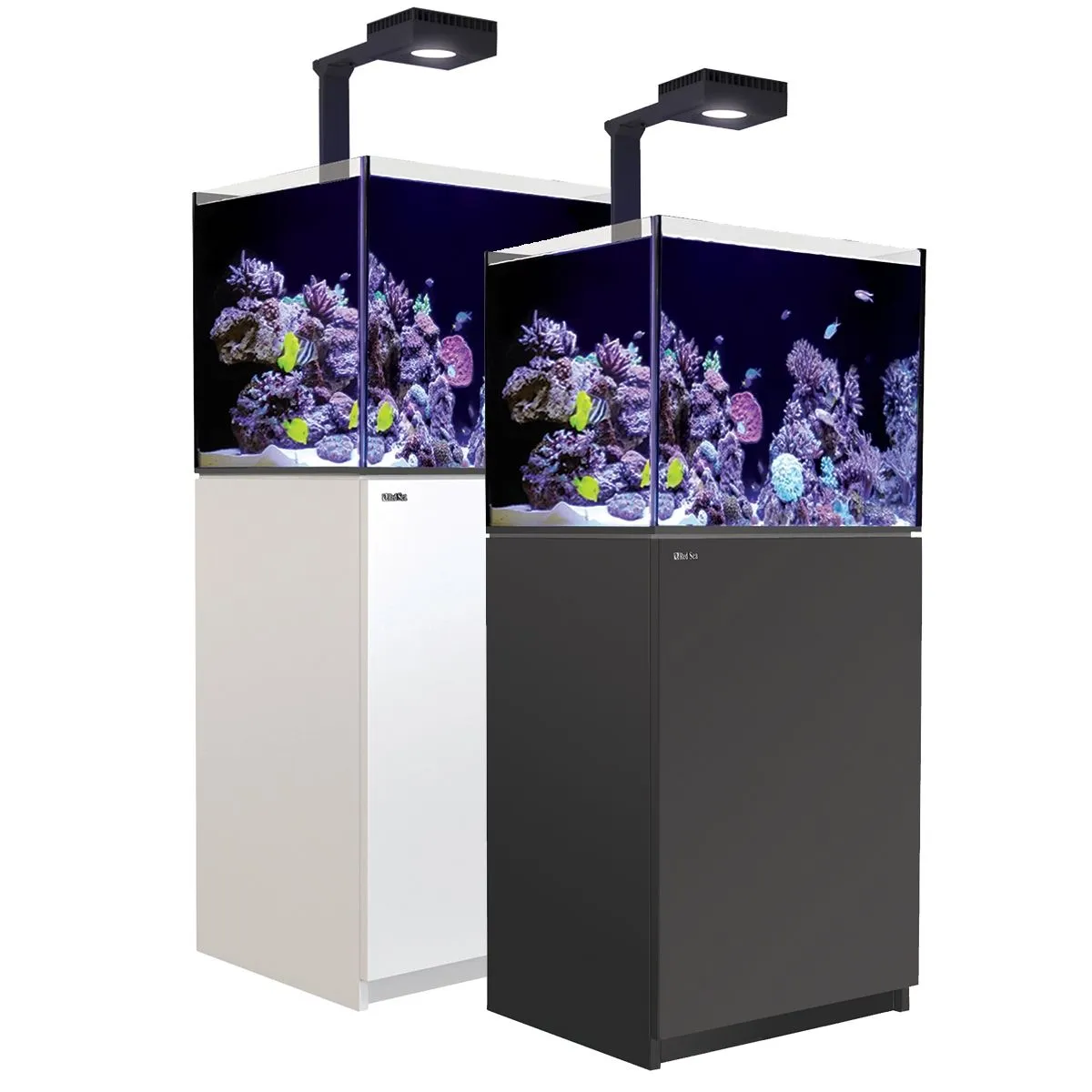
Red Sea Reefer Deluxe 170 G2+ System (34 Gal)
₹ 233,500 -
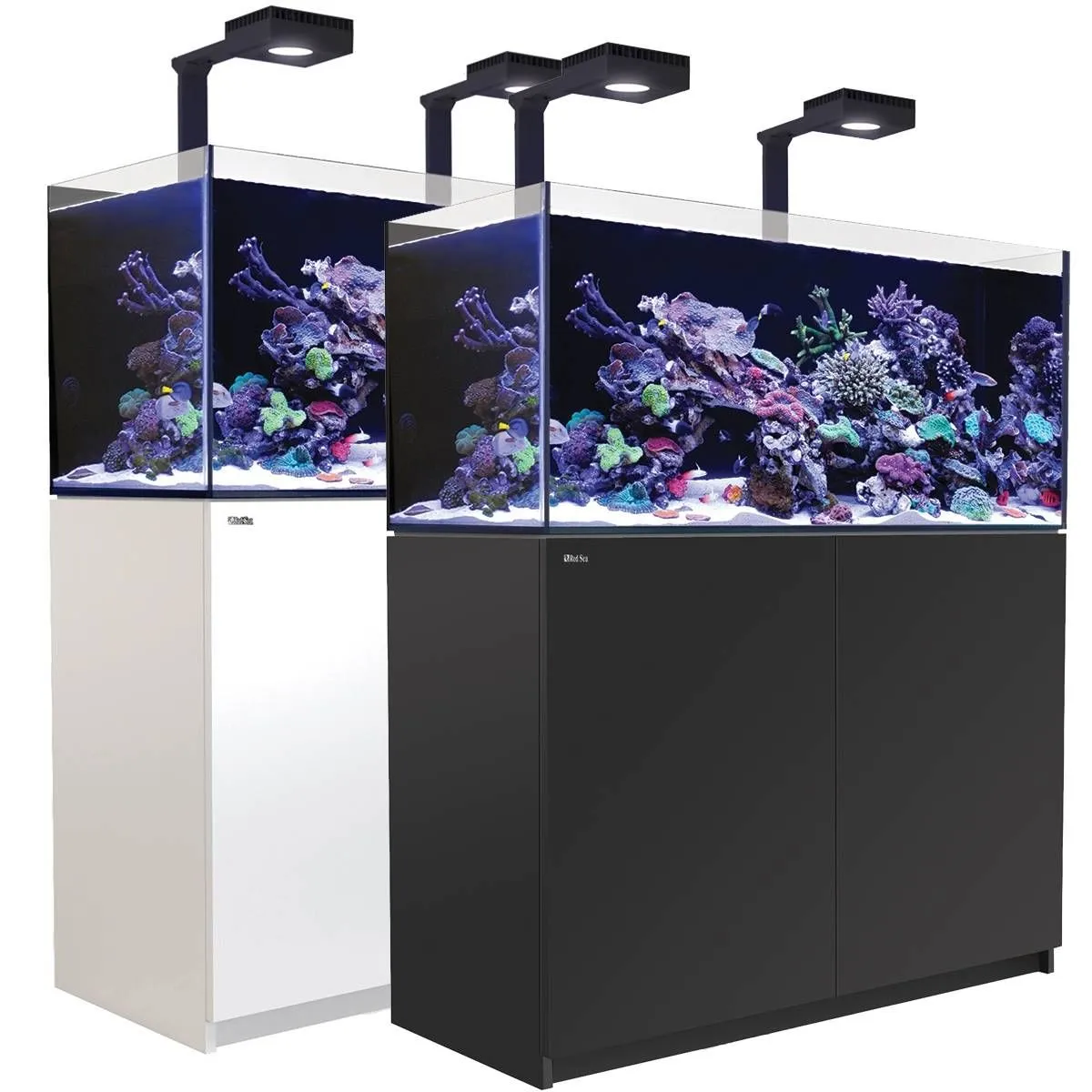
Red Sea Reefer Deluxe 350 G2+ System (72 Gal)
₹ 395,000 -

Red Sea Reefer Deluxe 425 G2+ System (91 Gal)
₹ 510,000 -
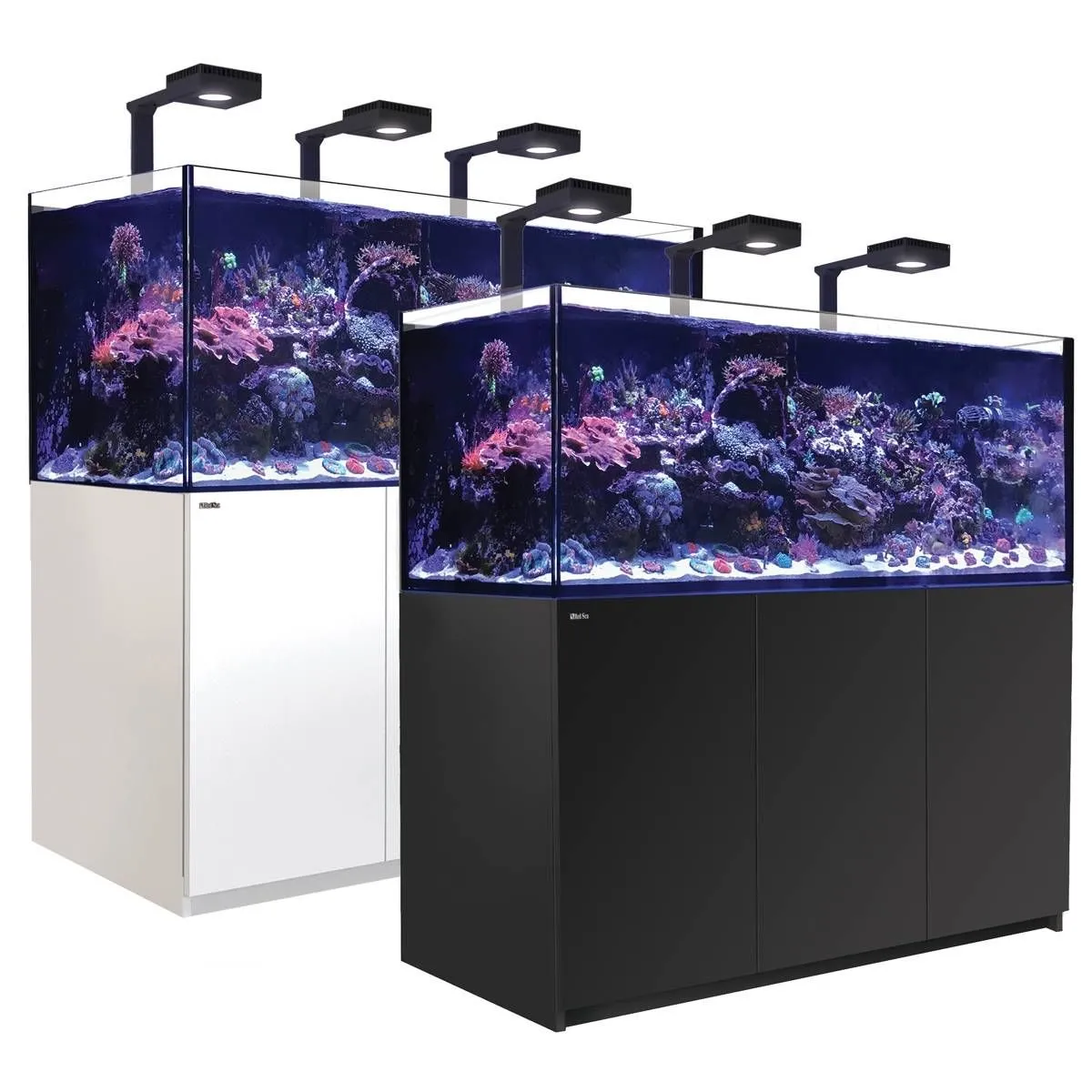
Red Sea Reefer Deluxe 625 G2+ System (132 Gal)
₹ 630,000 -
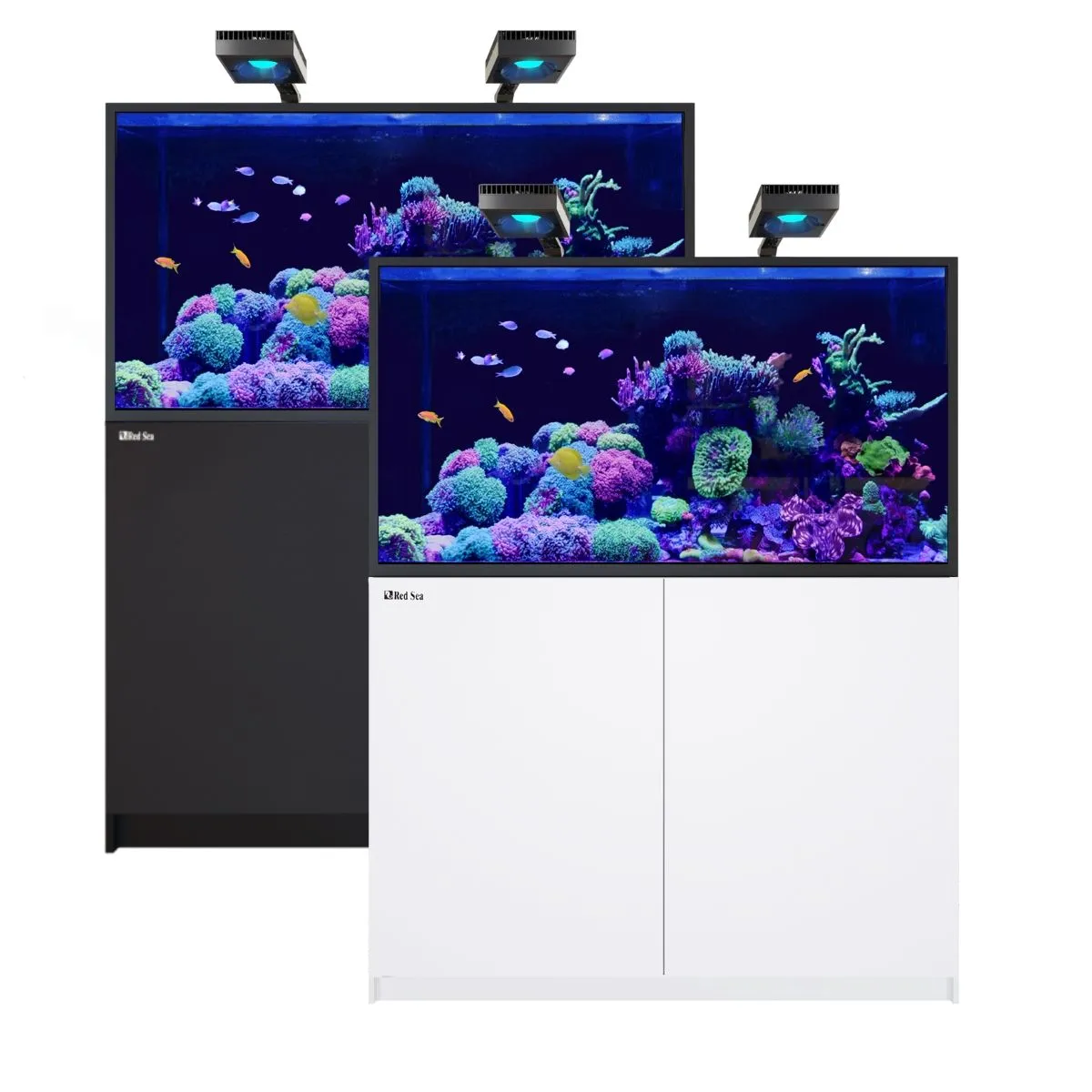
Red Sea Reefer Deluxe S-550 G2+ System (118 Gal)
₹ 785,000 -
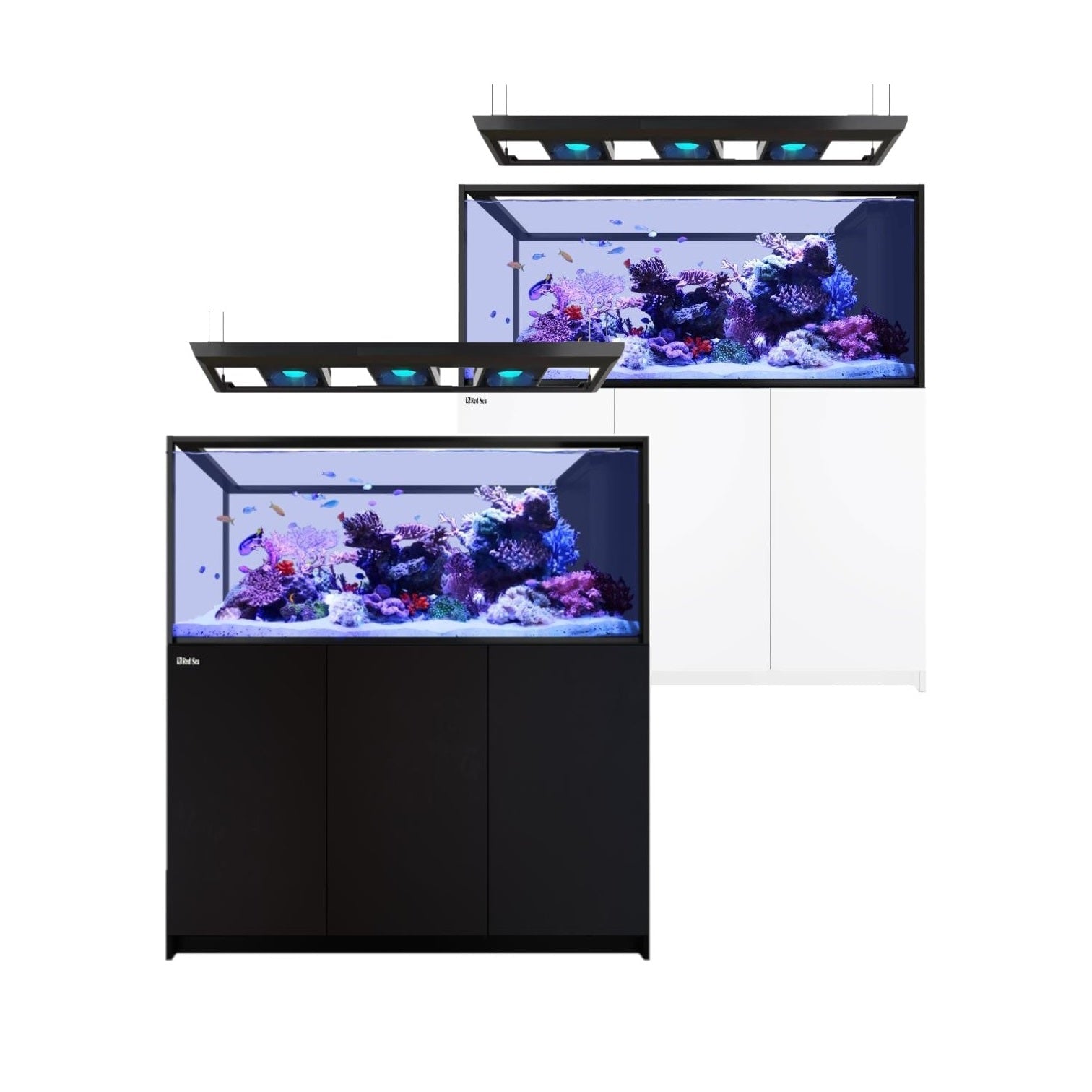
Red Sea REEFER G2+ S-700 Peninsula Deluxe
₹ 1,050,000
What to check before buying from a local aquarium shop
Don’t pick a seller purely because it’s the closest one. A shop worth buying from should be able to talk you through tank size, which fish are actually compatible with each other, and what equipment the setup needs, not just ring up whatever you point at.
Look for healthy fish, clean display tanks, more than one tank size in stock, the core equipment (filter, heater, light), food, water conditioner, and someone willing to talk through compatibility and installation.
A shop that’s doing its job will also bring up cycling unprompted. A new tank needs time for beneficial bacteria to build up before it can safely process fish waste, and adding a full stock of fish on day one is the single most common way beginners lose fish in the first few weeks.
How to pick healthy fish
It’s tempting to buy the most colourful fish in the tank and worry about the details later, but a quick health check first saves trouble down the line.
Healthy fish usually have clear eyes, intact fins, smooth movement and normal breathing. Steer clear of fish that sit at the bottom, gasp at the surface, show white spots, have damaged fins, or swim in an obviously unusual way.
Ask the seller about adult size, the tank capacity that size needs, preferred water temperature, diet, aggression and recommended group size. Some species need to be kept in groups to feel secure; others turn territorial in a group. Choosing fish by colour alone is how tanks end up overcrowded or full of fish that don’t get along.
Equipment you’ll need alongside the fish
A fish store trip should net you the fish and the equipment that keeps them alive.
Tank and filter
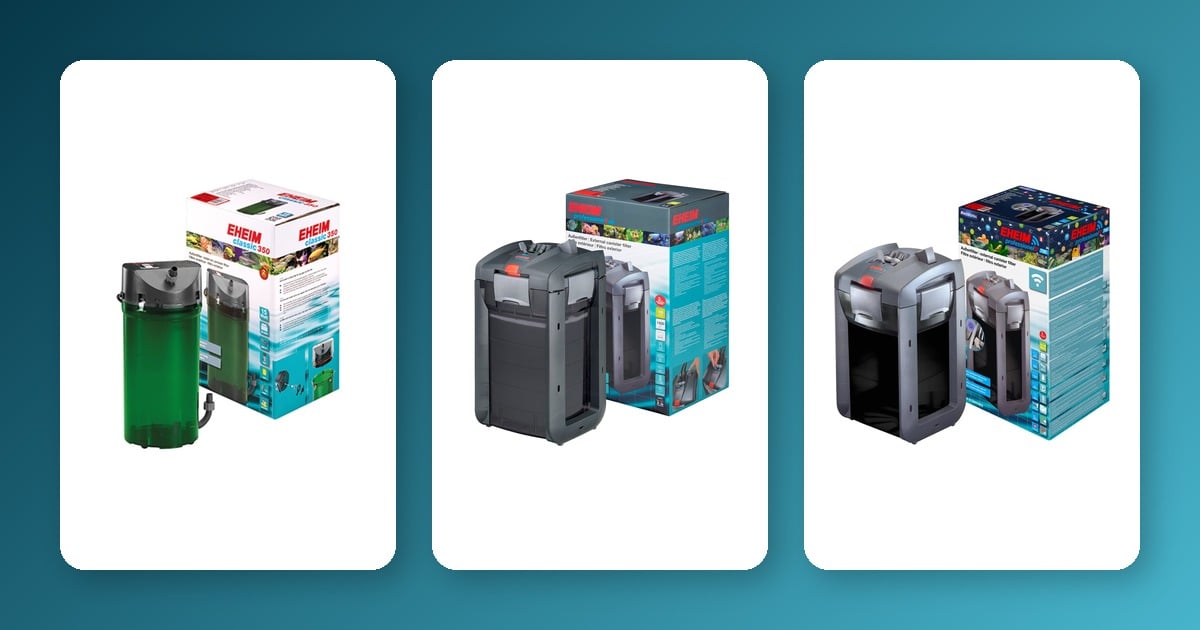
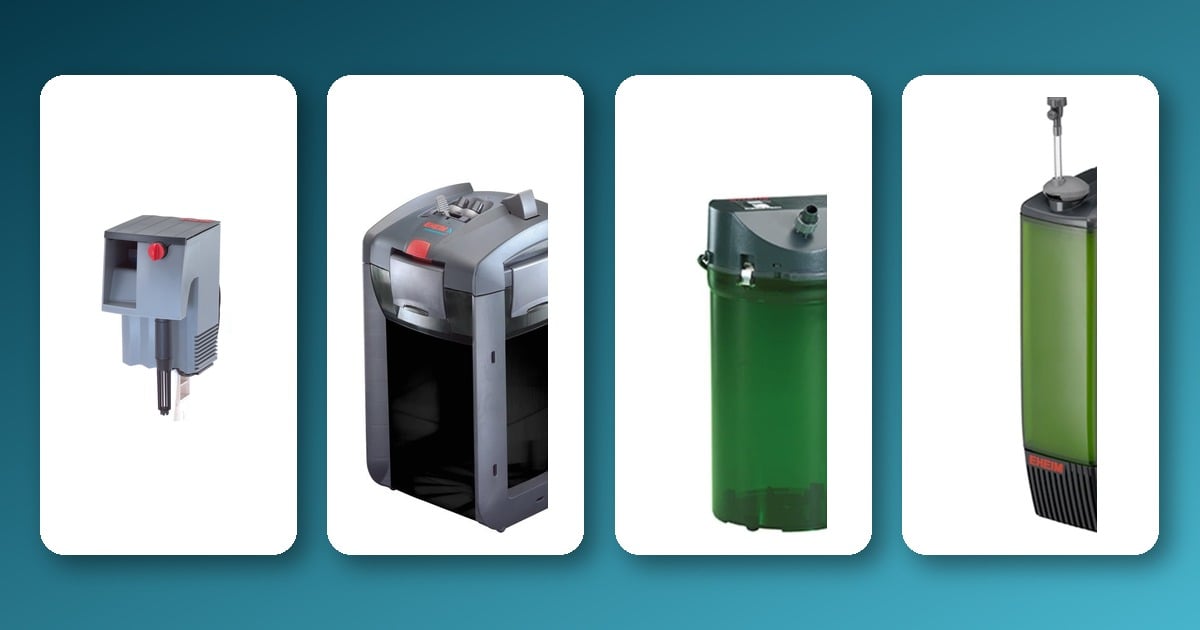
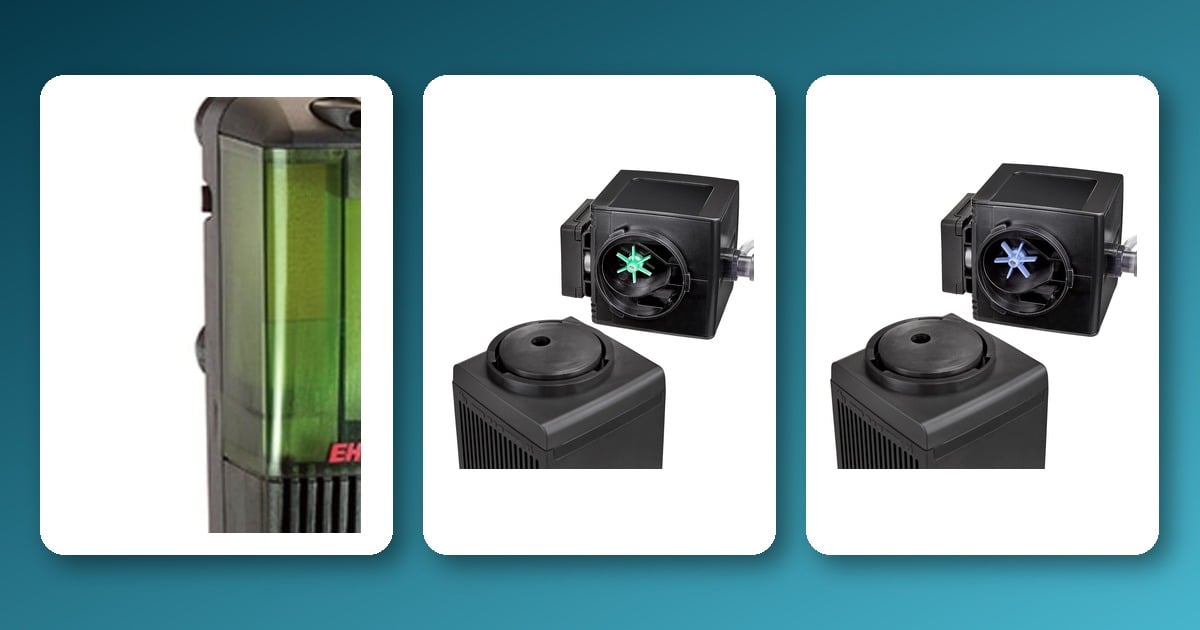
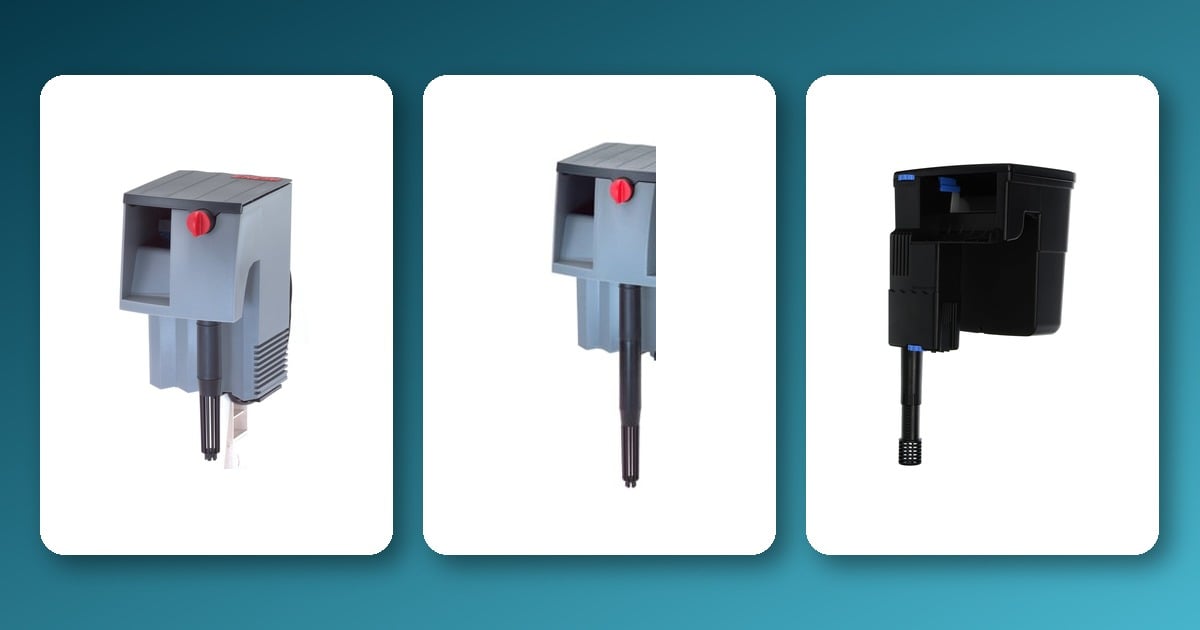
Size the tank to the fish’s adult size and numbers, not their size at the shop. A very small tank looks convenient at first, but water quality in a small volume can swing fast. The filter needs to match the tank size and fish load: common options are sponge, internal, hang-on-back (HOB) and canister filters.
Filters are usually sized by turnover: how many times an hour the filter moves the tank’s total water volume. Internal and hang-on-back filters are typically sized for roughly 5 to 8 times an hour; canister filters, which hold more media and run outside the tank, are typically sized closer to 4 to 6 times an hour for the same result. Check a filter’s rated flow rate in litres per hour against your actual tank volume rather than relying only on the “up to X litres” figure printed on the box, since that figure is often set by media capacity rather than turnover. IndieFur’s own canister filter buying guide and internal filter comparison both walk through the sizing maths in more detail.
Heater, thermometer and air pump
Most tropical fish sold in India (tetras, guppies, mollies, gouramis, bettas, angelfish) come from warm rivers and lakes and need water held between roughly 24°C and 28°C. Indian room temperatures swing well outside that range through winter in the north and in air-conditioned rooms year-round, so most tropical setups need a heater rather than relying on ambient room temperature. A commonly used starting point is roughly 1 watt per litre of water: about 25 to 50 watts for a nano tank under 20 litres, 100 watts for a 40 to 100 litre tank, and 200 watts (or two smaller heaters split across the tank) above that. A separate thermometer at the opposite end of the tank confirms the whole tank is at temperature, not just the water next to the heater. IndieFur’s heater buying and setup guide covers wattage sizing by tank size in full, plus placement and common failure modes. An air pump is a separate, optional addition that improves surface movement and oxygen exchange, particularly useful in a heavily stocked or sparsely planted tank.
Lighting and decorations
Lighting makes the tank visible and, in a planted setup, drives plant growth. Gravel, sand, rocks, driftwood and plants add hiding spaces and make the tank look less bare; stick to materials sold as aquarium-safe, since sharp edges or the wrong minerals can hurt fish or throw off water chemistry.
Water conditioner and test kit
Tap water usually contains chlorine or chloramine, both of which are fine for people but harmful to fish and to the beneficial bacteria you’re trying to establish. A water conditioner neutralises this before the water goes in the tank. A test kit lets you check ammonia, nitrite, nitrate and pH yourself instead of guessing from how the fish look.
Buying aquarium supplies online
Buying online usually gives access to a wider range of tanks, filters, lights, food and maintenance supplies than a single physical shop carries, and it’s easier to compare specifications side by side before ordering.
Before ordering a glass tank, check its dimensions, warranty terms, packaging and the return policy. If you’re buying live fish online, check the seller’s shipping process and what happens if a fish doesn’t survive transit.
IndieFur‘s catalogue covers tanks, filtration, lighting and water-care products for freshwater, planted and marine setups, and the team is reachable directly for sizing or compatibility questions (contact details further down this page).
Questions worth asking before you buy
Before handing over money at any aquarium shop, ask which tank size suits your room, how many fish it can safely hold, which species are actually compatible, whether a heater is needed for your area, what filter capacity fits, and roughly how long the tank needs to cycle before it’s ready for fish. Also ask about feeding schedules, water-change frequency, and whether the shop offers installation or maintenance support.
A seller who’s straight with you won’t push overcrowding. Stocking levels should follow from adult fish size, behaviour, filtration capacity and how much swimming space is left once decor is in.
Choosing the right tank size
Tank sizes generally fall into three practical bands, though the exact cutoffs vary a bit by retailer and tank shape.
Small tanks
Roughly up to 75 litres (about 20 US gallons). Suits limited space and light stocking, but water parameters in this size can shift quickly, so it needs closer monitoring than a larger tank would.
Medium tanks
Roughly 75 to 150 litres (about 20 to 40 US gallons). Often the more practical starting point for beginners, since the larger water volume is more forgiving of small mistakes and allows more plants, decor and a wider choice of compatible fish groups.
Large tanks
150 litres and up (roughly 40+ US gallons). More swimming space and design freedom, but it needs a stand rated for the weight, stronger filtration, and a maintenance routine you’ll actually keep up with. A filled tank this size is heavy: glass, water, substrate, decor, equipment and the cabinet all add up, so the stand matters as much as the tank itself.
| Tank size band | Approx. volume | Typical filter turnover target |
| Small | Up to ~75 L (~20 gal) | ~5-8x/hour (internal or hang-on-back) |
| Medium | ~75-150 L (~20-40 gal) | ~5-8x/hour (internal/HOB), or ~4-6x/hour if using a canister |
| Large | 150 L+ (~40+ gal) | ~4-6x/hour (canister filtration is the practical choice at this size) |
What drives the cost of a setup
What a setup ends up costing depends on tank size, glass quality, the filtration type you choose, lighting, cabinet, the fish and plants themselves, decor, and whether you pay for installation. A basic small freshwater setup is naturally the cheapest entry point; a custom planted build or a sump-based marine tank costs substantially more because of the equipment and cabinetry involved, not just the livestock.
Exact pricing moves with the market and varies by retailer, so rather than quote figures that go stale, the practical advice is: don’t pick the cheapest option without checking glass quality and filtration capacity first. A tank that’s underfiltered for its fish load tends to cost more in the long run, through algae, stressed fish and more frequent water changes, than paying properly for filtration up front would have.
How to set up a fish aquarium
1. Choose the location
Put the tank on a strong, level surface, away from direct sunlight, heat sources and busy walkways where it’s likely to get bumped.
2. Clean the tank
Rinse the tank, gravel and decorations with plain water. Never use soap or any household cleaning chemical: residue from either is difficult to fully rinse out and is toxic to fish.
3. Add substrate and decorations
Spread gravel or sand evenly across the base. Arrange plants and decorations while leaving enough open water for the fish to actually swim in.
4. Install the equipment
Fit the filter, heater, thermometer, air pump and light following the manufacturer’s instructions for each. Don’t power anything on until it’s correctly positioned and, for the heater, fully submerged.
5. Fill and condition the water
Fill the tank and add the recommended dose of water conditioner to neutralise chlorine and chloramine before anything living goes in.
6. Cycle the tank
This is the step most beginners skip or rush, and it’s the one most likely to kill fish if skipped. Cycling means letting beneficial bacteria build up in the filter media until they can process ammonia and nitrite from fish waste into far-less-toxic nitrate. A fishless cycle typically takes 2 to 6 weeks, faster if you seed the filter with media or gravel from an already-established tank, or use a bottled bacterial starter. Test the water through this period and don’t add a full stock of fish until ammonia and nitrite both read zero. IndieFur’s nitrogen cycle guide covers what’s actually happening in the filter during this stage.
7. Add fish gradually
Introduce fish a few at a time rather than stocking the whole tank at once, and float the bag or acclimation container for 15 to 20 minutes so the fish can adjust to the tank’s temperature before going in.
Ongoing maintenance
A fish tank stays healthy on a routine, not on occasional attention when something looks wrong. That routine should include:
- Feeding small amounts of suitable food, once or twice a day
- Removing uneaten food after a few minutes
- Watching fish behaviour daily for early signs of illness or stress
- Testing the water on a regular schedule, not just when something looks off
- Doing partial water changes, typically 10 to 20 percent weekly as a baseline (more for a heavily stocked tank, less for a lightly stocked, well-filtered one)
- Cleaning algae off the glass
- Checking filters, heaters and air pumps are actually running, not just plugged in
- Trimming live plants
Don’t replace all the water at once during normal maintenance: that resets water chemistry faster than fish can adjust to. Avoid rinsing filter media under untreated tap water, since the chlorine in it kills the same bacteria the filter depends on. And keep an eye on feeding amounts: leftover food breaks down and adds to the ammonia load the filter has to handle. IndieFur’s water change guide goes into why the 10 to 20 percent baseline works and when to adjust it.
Common mistakes to avoid
Most aquarium problems trace back to one of these:
- Choosing a tank that’s too small for the fish’s adult size
- Adding fish before the tank has cycled
- Keeping incompatible fish together
- Overstocking the tank
- Overfeeding
- Using untreated tap water
- Replacing all the water at once
- Leaving lights on too long
- Ignoring unusual fish behaviour
- Using decorations that aren’t rated safe for aquarium use
Most of these come down to planning the setup properly before buying anything, which costs a lot less than replacing fish or fixing water-quality problems after the fact.
Where IndieFur fits in
IndieFur stocks aquarium products and accessories and can talk through options based on your space and experience level, whether that’s a first small freshwater tank or a sump-based marine setup.
Support: +91-99990-99613
Address: Block D, Plot No. 34, Upper Ground Floor, Kiran Garden Extension, New Delhi, 110059
Email: [email protected]
Frequently asked questions
What’s the best aquarium for a beginner?
A medium-sized freshwater tank (roughly 75-150 litres) with a properly sized filter is generally the more forgiving starting point. Its larger water volume is more stable than a very small tank, where mistakes show up faster.
How do I find a good aquarium shop nearby?
Search by location, check reviews, and call ahead before visiting. Favour a shop with clean display tanks and staff who ask you questions back, rather than just pointing at whatever’s in stock.
What should I buy along with the fish?
At minimum: a tank, filter, light, heater (for most tropical species), substrate, water conditioner, food, a test kit and basic cleaning tools.
Is it safe to buy aquarium supplies online?
Generally yes, as long as the seller gives clear product details, packs tanks securely, states its return policy plainly, and has a reliable delivery track record.
What decides how much a setup costs?
Tank size, glass quality, filtration type, lighting, cabinet, and livestock and plants are the main drivers. Filtration and glass quality are the two areas worth spending on first, since cutting corners there tends to cost more later in fish losses and water-quality problems.
Can different species share a tank?
Yes, provided they’re compatible on temperament, water temperature, adult size and feeding needs. Compatible doesn’t mean identical: it means none of those factors puts one species at a disadvantage in the same tank.
Getting started
Tank size and filtration are the two decisions that shape almost everything else in this guide: stocking, heater wattage, and how much maintenance the tank needs week to week. Get those two right first, whether you’re setting up a first small freshwater tank or a sump-based marine build, and most of the rest follows.
The product listing above pulls IndieFur’s current in-stock Marine Tanks and Betta Aquarium Kits directly, so what you see there reflects live stock rather than a fixed list. For sizing detail beyond what fits in this guide, the dedicated heater and filter guides linked above go further into brand-by-brand differences and edge cases.