Cat grooming at home is one of the simplest ways to keep your cat comfortable, reduce shedding, and catch health problems early, but two steps, nail trimming and ear cleaning, carry real injury risk if done carelessly. This guide walks through a full step-by-step routine, including a dedicated safety section for both, so you can groom confidently instead of guessing.
When to Stop and Call the Vet
Stop grooming and contact your vet if: a nail-trim bleed doesn’t stop within a few minutes of firm pressure; you see ear discharge, odor, redness, or swelling; your cat becomes aggressive or highly distressed and won’t calm down; or any wound keeps bleeding rather than slowing. None of the steps below are a substitute for veterinary care when something looks wrong.
Essential Cat Grooming Products for a Safe At-Home Routine
The right cat grooming tools make the process safer and less stressful for both of you. Build your kit around these categories:
- Brush or comb matched to coat length: see the coat-specific section below for which type fits your cat.
- Cat-specific nail clipper: a guillotine or scissor-style clipper sized for cats, like the cat clippers in our Catit grooming kits. Dog clippers cut differently and aren’t a safe substitute.
- Styptic powder or plain cornstarch, kept on hand before you start, not after a bleed happens.
- Cat-safe ear cleaning solution plus cotton balls or a soft cloth, never a cotton swab.
- Pet-safe shampoo, only needed occasionally.
- Grooming wipes for quick touch-ups between full sessions.
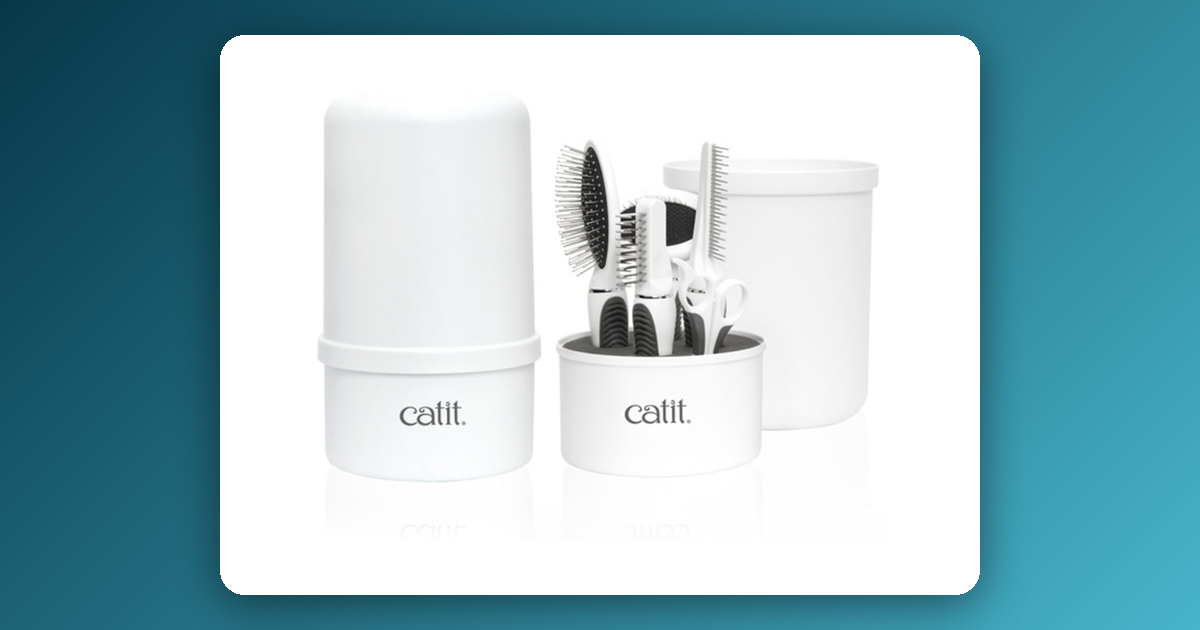
Buying a bundled kit like the Catit Longhair Grooming Kit or Catit Shorthair Grooming Kit gets you a matched set of tools in one purchase rather than piecing one together.
How to Hold Your Cat Safely
Wrapping your cat gently in a towel, sometimes called a towel wrap, controls paws during a nail trim without gripping or pinning the whole body down. International Cat Care recommends wrapping with one leg free at a time, then gently pressing each toe to extend the claw. The 2022 AAFP/ISFM Cat Friendly Veterinary Interaction Guidelines moved away from recommending restraint at all, since restraint methods were shown to increase objective signs of fear and aversion compared to minimal handling. If your cat becomes anxious partway through, stop and try again later rather than pushing through.
Step-by-Step Cat Grooming Routine for Beginners
A predictable sequence keeps sessions short and low-stress:
- Choose a calm, quiet space and let your cat sniff the tools first.
- Brush the coat gently in the direction of hair growth, removing loose fur.
- Check the skin underneath for redness, dryness, or parasites while you brush.
- Trim nails using the safety steps below.
- Clean ears only if needed, using the safety steps below.
- Wipe paws and finish with a treat so your cat associates grooming with something good.
Trimming Your Cat’s Nails Safely: Avoiding the Quick
The “quick” is the pink, blood-vessel-and-nerve-rich core visible inside a light-colored nail. Cutting into it hurts your cat and causes bleeding. In dark nails the quick isn’t visible, so trim conservatively.
- Press gently on the paw pad to extend the claw.
- Identify the quick if visible: it’s the pink area near the base of the nail.
- Trim only the thin, curved white tip, well clear of the pink area. When in doubt, take less.
- Trim one or two nails at a time if your cat is restless. You don’t have to finish all of them in one sitting.
Safety Warning: If Your Cat’s Nail Bleeds
Apply styptic powder directly to the tip of the nail, or press plain cornstarch or flour onto it with firm, steady pressure for 30 to 60 seconds. Keep your cat still and calm while you do this. If the bleeding hasn’t stopped after that, or restarts, contact your vet. Don’t keep reapplying pressure indefinitely and hope it resolves on its own.
Cleaning Your Cat’s Ears Safely
Most cats need ear cleaning only occasionally, not every session. Use a cat-safe ear cleaning solution applied to a cotton ball or soft cloth, and wipe only the visible, outer part of the ear you can see. Never insert a cotton swab or any object into the ear canal. The canal is narrower and more delicate than it looks, and pushing debris deeper or puncturing the eardrum are real risks.
Safety Warning: Signs of Ear Injury or Infection
Redness, swelling, a strong odor, dark or unusual discharge, or your cat shaking its head or tilting it to one side are signs of infection or injury, not something to keep cleaning through. Stop and see a vet rather than continuing to clean an ear showing any of these signs.
Best Cat Grooming Techniques for a Stress-Free Experience
Cats respond to patience far better than speed. Start sessions when your cat is already relaxed, such as after a meal or a nap. Keep early sessions short and build up duration gradually rather than trying to do everything at once. Speak in a calm, steady tone, avoid sudden movements, and if your cat tenses up or tries to leave, stop and try again later instead of forcing it through. Read your cat’s body language throughout: a swishing or thumping tail, flattened or swivelled-back ears, dilated pupils, whiskers pulled back, freezing in place, or rippling skin along the back are all signs described in the AAFP/ISFM guidelines as reasons to pause rather than push through.
Coat-Specific Grooming: Long-Haired, Short-Haired, and Curly or Hairless Cats
Coat type changes both the tools and the frequency you need:
- Long-haired cats mat easily, especially under the legs, behind the ears, and around the belly. Use a wide-tooth comb first to work through tangles, then a slicker brush for the undercoat. The Catit Longhair Grooming Kit is built for exactly this: it bundles a pin brush, dematting tool, slicker brush, and comb designed for dense coats. Aim for brushing every day or every other day. Never cut a mat out with scissors: a cat’s skin is thin and easily pulled up inside the knot, and International Cat Care warns this makes it easy to cut the skin along with the fur. Tease mats apart gently with your fingers instead, or ask your vet or a professional groomer to clip out anything too tight to work loose.
- Short-haired cats shed just as much but rarely mat. A nylon or metal slicker brush and a rubber palm brush, like those in the Catit Shorthair Grooming Kit, handle most of it. Two to three times a week is usually enough outside of shedding season.
- Curly-coated and hairless cats (Devon Rex, Sphynx, and similar) have different needs entirely. Hairless cats need regular gentle skin wiping to remove oil buildup since they lack fur to absorb it, and curly coats are prone to breakage from harsh brushing, so a soft brush and light touch work best.
Grooming by Life Stage: Kittens, Adult Cats, and Senior Cats
Age changes how a cat tolerates and needs grooming:
- Kittens benefit from very short, low-pressure sessions early on, focused on building tolerance for handling paws and ears rather than achieving a perfect trim. A kitten that learns grooming is calm and rewarding will be far easier to groom as an adult.
- Adult cats generally tolerate a full routine well once it’s established. This is where the standard weekly schedule applies.
- Senior cats often self-groom less due to arthritis or reduced flexibility, so they need more help from you, not less. Go slower, support joints rather than lifting or bending limbs forcefully, and check more carefully for mats in spots they can no longer reach themselves.
Hygiene and Health Benefits of Regular Grooming
Grooming isn’t just cosmetic: it reduces the risk of skin infections, parasites, and painful mats, and gives you a regular opportunity to catch lumps, wounds, or parasites early, while they’re still easy to treat. It also improves circulation and, done gently and consistently, strengthens the bond between you and your cat.
Choosing the Right Cat Grooming Products for Daily Use
Match tools to what you learned above: a slicker brush and dematting comb for long coats, a rubber palm brush for short coats, a cat-specific nail clipper with styptic powder on hand, and a cat-safe ear solution with cotton balls, never human shampoo, which can dry out or irritate a cat’s skin, and never a cotton swab near the ear canal.
A Note on Bathing
Most cats don’t need a bath at all. Anicira Veterinary Center puts once a month as a reasonable upper limit for a healthy cat bathed for non-medical reasons, using a cat-specific shampoo rather than a human one. If you’re bathing for a diagnosed skin condition, use only what your vet recommends. An off-the-shelf shampoo picked for the wrong condition can do more harm than the dirt it’s meant to remove.
Building a Comfortable Grooming Routine at Home
Cats are sensitive to change, so introduce grooming gradually rather than all at once. Start with short sessions, reward calm behavior, and let duration grow naturally as your cat gets used to the routine. Over time, grooming shifts from something tolerated to something expected, even enjoyed.
FAQs on Cat Grooming at Home
What do I do if I accidentally cut my cat’s nail too short?
Apply styptic powder or cornstarch with firm pressure for 30 to 60 seconds. If bleeding continues past that, contact your vet.
How often should I trim my cat’s nails?
Most cats need a trim every 2 to 3 weeks, though indoor cats that don’t scratch on rough surfaces may need it slightly more often.
What are signs of an ear infection in cats?
Redness, swelling, odor, dark discharge, or head shaking or tilting: see a vet rather than continuing to clean at home.
Is it safe to clean my cat’s ears every week?
Most cats don’t need weekly cleaning. Over-cleaning can irritate the ear. Clean only when you see mild wax buildup, and always with a cat-safe solution on the outer ear only.
Do kittens need a different grooming routine?
Yes, shorter, gentler sessions focused on building comfort with handling, rather than a full adult-length routine.
Can I use human shampoo or wipes on my cat?
No. Human products are formulated for different skin pH and can dry out or irritate a cat’s skin. Always use products made for cats.
Final Note on Effective Cat Grooming at Home
Consistent grooming, done safely, is one of the best ways to keep your cat healthy and comfortable, and the nail and ear steps above are the two places where care matters most. With the right tools and a patient routine, home grooming becomes a normal part of caring for your cat rather than a source of stress for either of you.
This guide was compiled and reviewed for accuracy by the IndieFur content team, drawing on standard veterinary grooming guidance for nail and ear care. It is general information and doesn’t replace advice from your own vet, especially if something looks wrong.