The “e” in EHEIM’s Professionel 5e range stands for electronic, and it marks the point where a canister filter stops being a purely mechanical device and becomes something you can program, monitor and adjust from a phone. That is a genuinely different product category from the standard Professionel line, not just a Professionel with an app bolted on, and it comes at a real price premium. Whether that premium is worth paying depends entirely on what you actually do with the control it gives you. This review looks at what the 5e’s WiFi tier changes in practice, where real owners report friction, and who should and shouldn’t pay for it.
What “5e” Actually Means
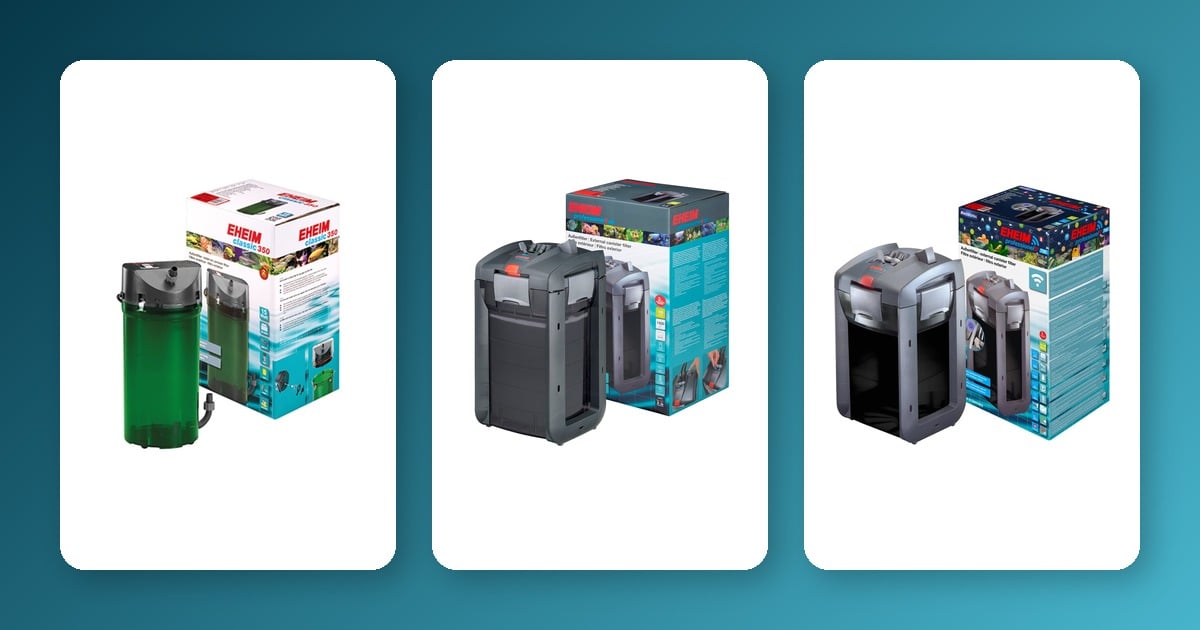
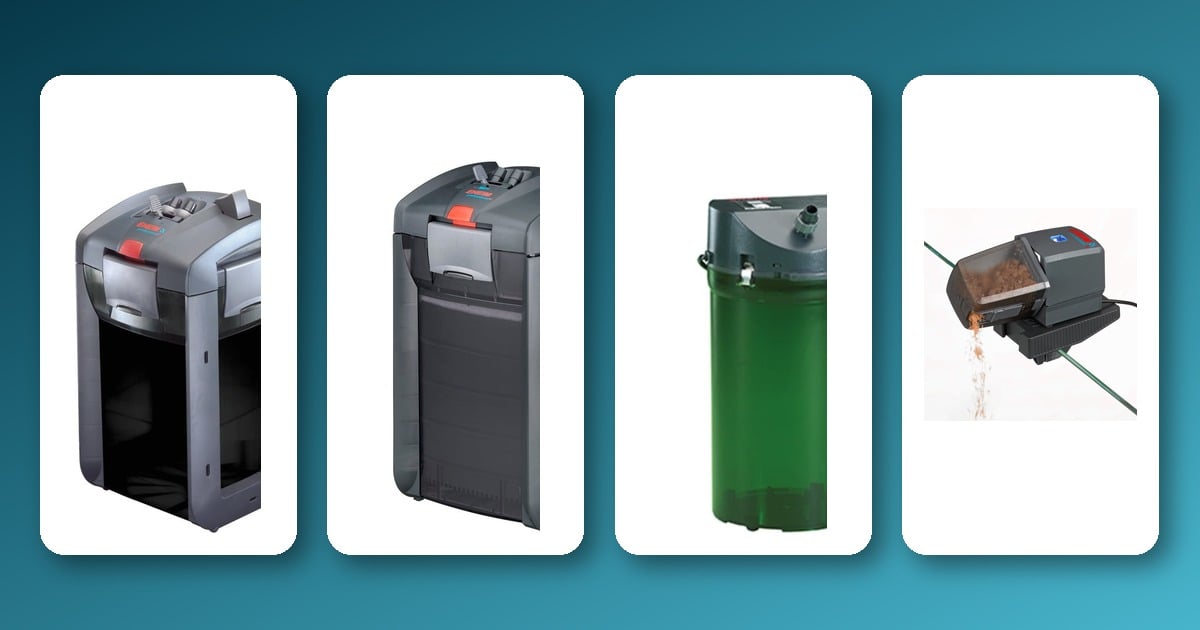
Physically, a Professionel 5e is still a canister filter: an external housing, stacked media baskets, and a pump moving water through them. What changes is the pump and the control layer around it. The 5e uses a ceramic-axis, ceramic-bearing pump rather than the standard shaft-and-bushing design, which runs quieter and wears more slowly, since ceramic doesn’t develop the play that a worn plastic bushing does, so the filter tends to stay quiet later into its service life rather than gradually getting louder.
On top of that pump sits an electronic control unit with individually programmable functions (flow rate, feed pauses, and scheduled operation) plus wireless connectivity to EHEIM’s app. None of the standard Professionel line offers any of this: a standard Professionel runs at one flow setting until you physically adjust the outlet valve, and it has no concept of a schedule or a feed pause at all.
What the App Genuinely Adds
Stripped of marketing language, the app gives you three concrete things. First, a feed pause you can trigger remotely, useful in the exact moment it matters, right after feeding, without walking over to the tank and closing a valve by hand. Second, schedule-based flow adjustment, so the filter can run at a lower flow overnight or during a specific window and step back up automatically, rather than running one flow rate around the clock regardless of what the tank needs at that hour. Third, remote monitoring of the filter’s running state, so you can check it’s actually operating from another room or, connectivity permitting, away from home.
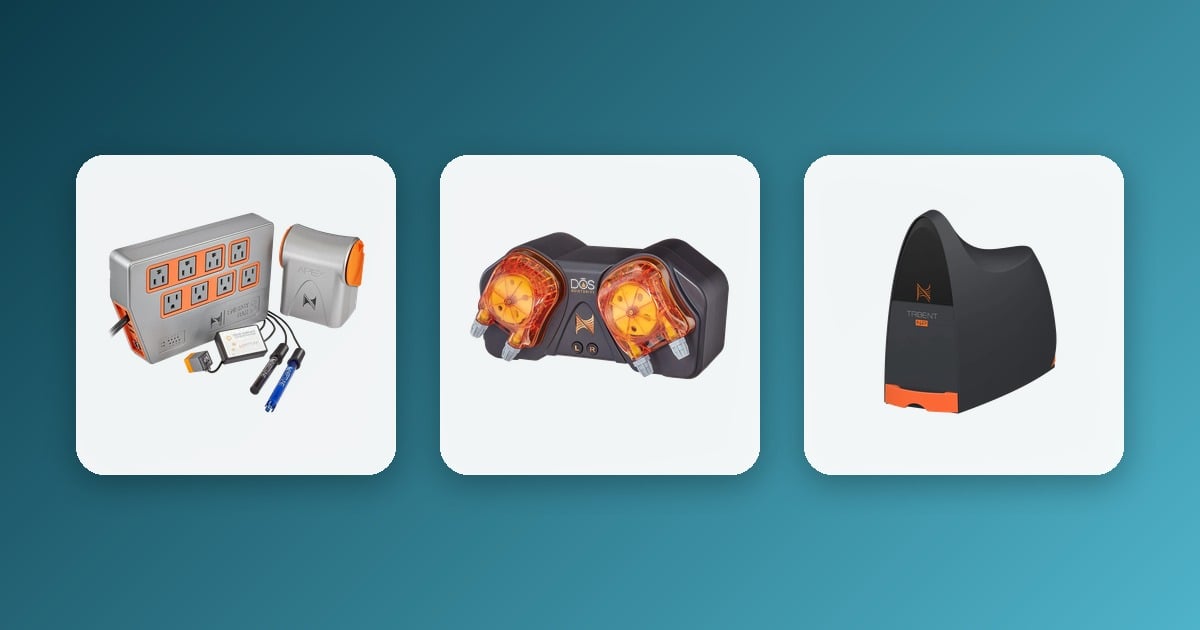
There is also real integration potential with other EHEIM smart devices: the EHEIM autofeeder+ with WiFi, for instance, sits in the same app ecosystem. Be precise about what that means, though: it means both devices are schedulable and viewable from the same app, not that EHEIM has published any documented handshake where the filter automatically reacts to a feeding event. Treat it as convenient co-location in one app, not as an integrated smart-home routine, unless EHEIM’s own documentation says otherwise for your specific firmware version.
Where Real Owners Report Friction
It would be a promotional gloss to leave this out, so it’s worth stating plainly: WiFi and app pairing on smart aquarium filters, the 5e included, can be inconsistent in practice: a device that occasionally drops off the home network, needs re-pairing after a router change, or takes a firmware update to behave. That’s a known characteristic of WiFi-connected smart-home hardware in general, not a defect unique to this filter, but it’s worth budgeting for rather than assuming flawless connectivity out of the box.
None of this affects the filter’s core job. A Professionel 5e that has lost its WiFi connection keeps filtering exactly as it was last configured. The electronics sit on top of the canister’s mechanical function; they don’t gate it. What you lose during a connectivity hiccup is remote visibility and scheduling, not filtration itself. Anyone buying a 5e specifically for the app should budget for the occasional re-pairing session rather than expecting flawless connectivity from day one.
Who Should Actually Pay the Premium
The premium makes sense for two situations in particular. The first is a reef or planted tank that already has other smart-home or dosing equipment, where remote scheduling and monitoring slot into a routine you’re already running, rather than being the only smart device in the room. The second is a large or hard-to-access tank, where physically walking over and turning a valve is a genuine inconvenience rather than a five-second task, and where being able to schedule a flow change or trigger a feed pause from a phone actually saves real effort.
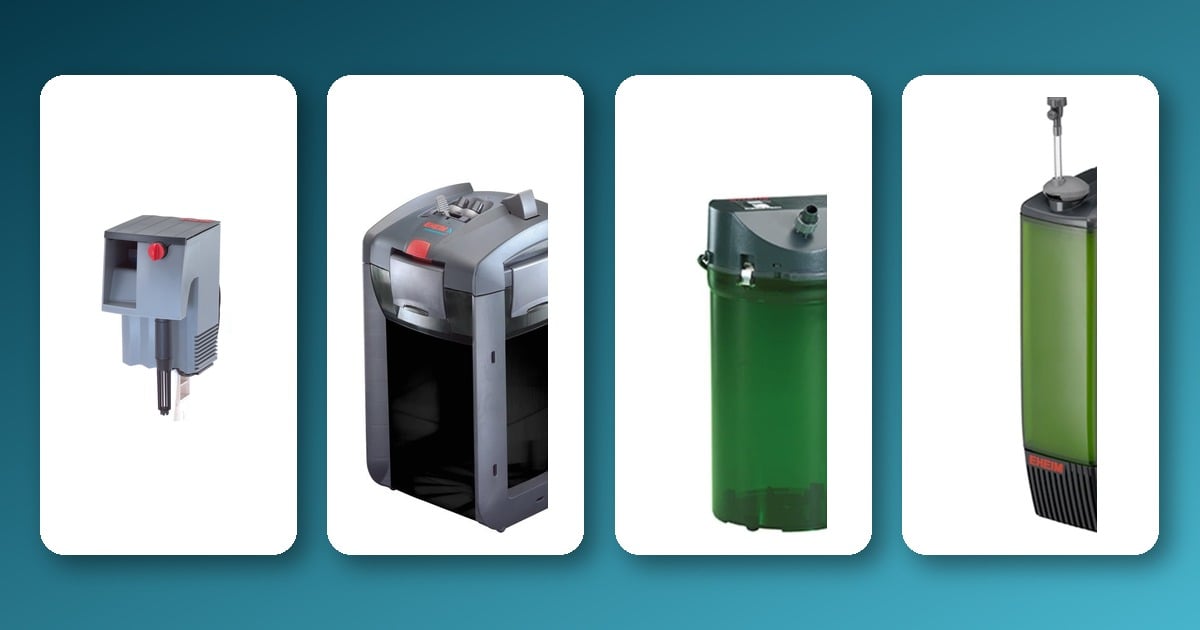
It does not make sense for anyone who mainly wants a “set and forget” filter. A standard Professionel or EHEIM Classic does exactly that, more simply and at a meaningfully lower price, with nothing to pair, no firmware to update, and no app dependency at all. For most home aquarists running a single tank with a normal feeding and maintenance routine, that’s the better fit, not a compromise. Our canister filter buying guide covers where smart and WiFi-enabled filters fit against the standard range in more detail, and the complete EHEIM filter range guide lays out how the 5e tier sits relative to Classic and standard Professionel.
Setup and First Impressions
Getting a 5e onto the app is a one-time setup step, not something repeated on every use: pair the filter to the app over Bluetooth first, then hand it your home WiFi credentials so it can join the network directly. From that point on, the app talks to the filter over WiFi rather than Bluetooth, which is why a router change or a network rename later on typically means repeating the pairing step. Budget fifteen to twenty minutes for the initial setup rather than expecting it to be instant, and do it with the filter already installed and primed on the tank rather than on a workbench, since the flow-rate and schedule settings you configure during setup are easiest to judge with the filter actually running.
Maintenance Doesn’t Change
It’s easy to assume a “smart” filter changes how you maintain it, but the basics stay the same. Physically, a 5e is still a canister filter with stacked media baskets and hose connections, and the cleaning cadence and method are identical to any other Professionel unit: rinse mechanical media, leave biological media largely undisturbed, check impeller and seals, and follow the same interval you would on a standard model. The electronics add scheduling and monitoring on top of the filter, not a different maintenance regime underneath it. Our canister filter cleaning steps guide applies to a 5e exactly as written.
Frequently Asked Questions
Does the EHEIM app work without WiFi at home? No. The app’s remote scheduling, monitoring and feed-pause functions depend on the filter being connected to your home network. Without a WiFi connection, the 5e still runs on whatever schedule or flow setting was last configured, but you lose the ability to check or change it remotely until connectivity is restored.
Is the 5e noisier or quieter than the standard Professionel? Quieter, in general, and typically stays that way for longer. The ceramic-axis, ceramic-bearing pump design is the specific reason: it avoids the gradual wear-related noise increase that a standard shaft-and-bushing pump can develop over years of use.
Can I retrofit WiFi control onto an older EHEIM filter? No. The 5e’s electronic control layer is built into the unit’s pump and control head from manufacture. It is not a module that can be added to a standard Professionel, Classic, or older 5e-generation filter after purchase. The WiFi/app tier is a purchase-time decision, not a later upgrade.
Which 5e model should I buy? The Professionel 5e 700 with WiFi is currently the in-stock option and the sensible default recommendation. The smaller 5e 450 and the 5e 600T (which bundles a heater) are part of the same range but were out of stock at the time of writing, so check current availability before planning around either of those specifically.