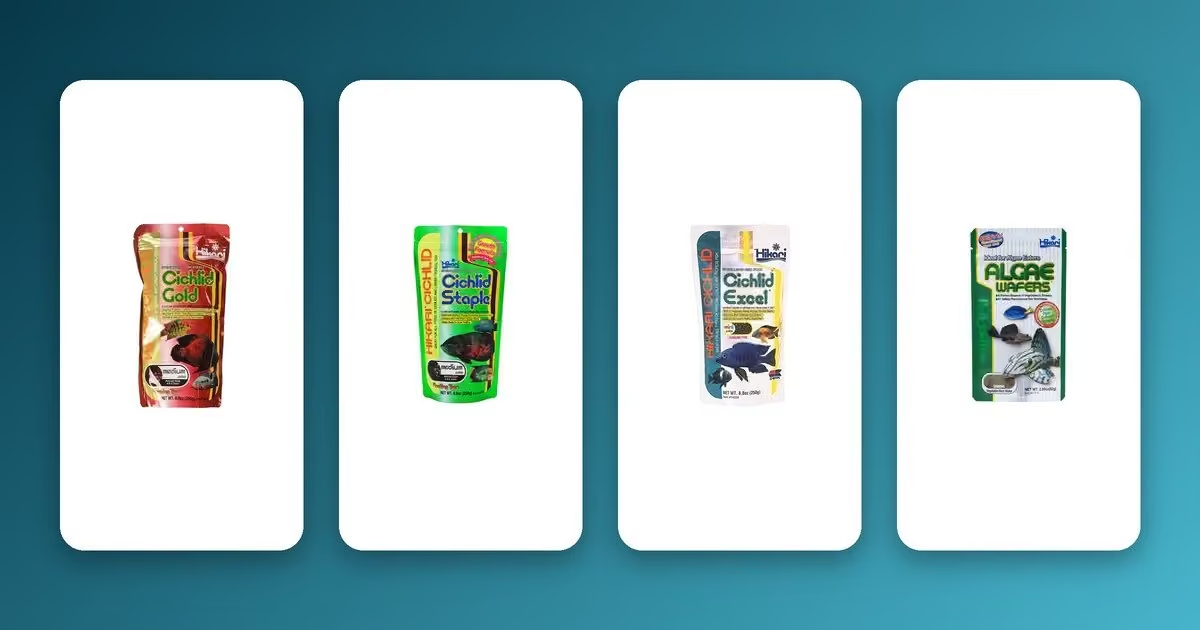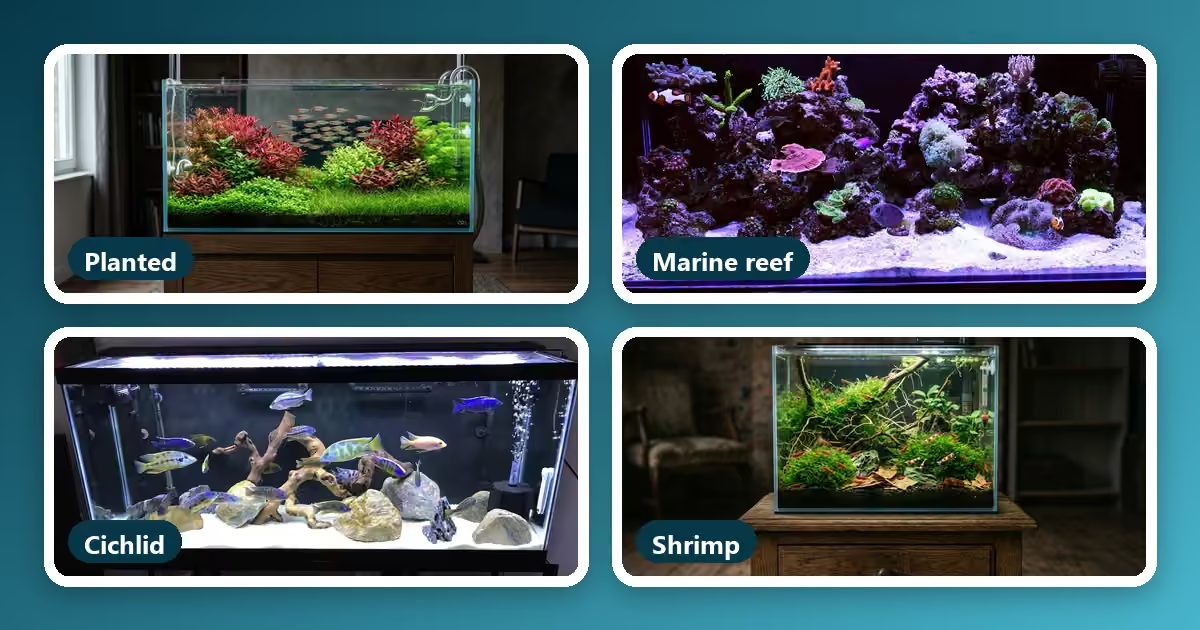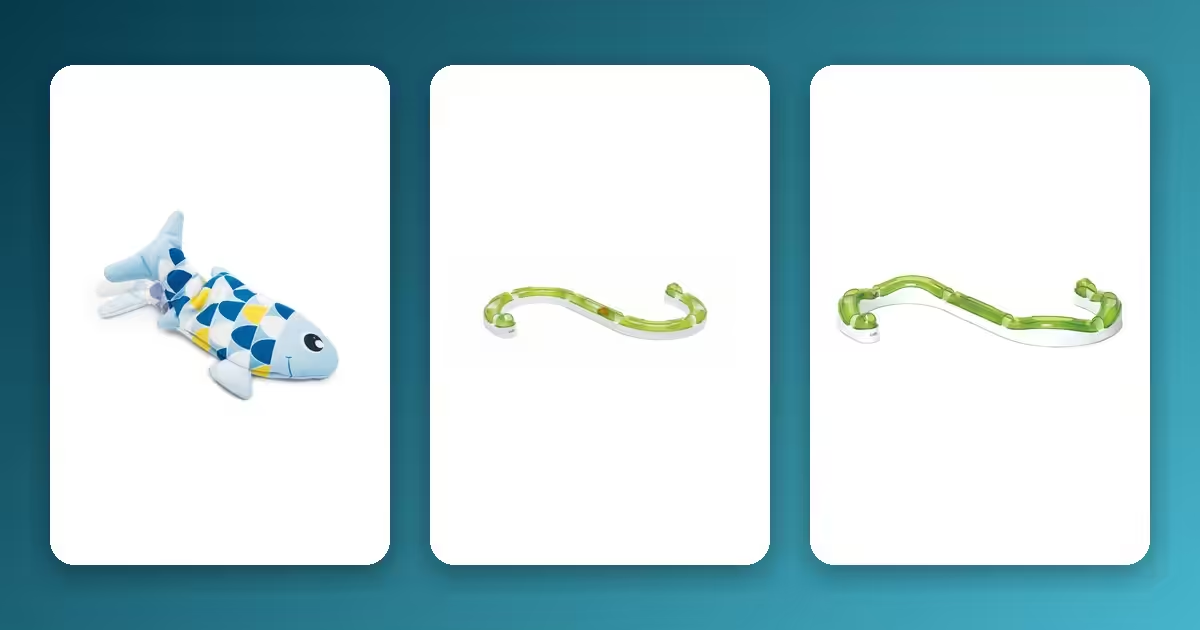
Indoor cats don’t get the natural hunting opportunities that keep them active, so the toys you choose end up doing that job instead. The right toy improves agility, curbs boredom-driven scratching or chewing, and helps with weight management. The wrong toy just sits in a drawer after week one. Here are three cat toys actually available at IndieFur right now, what each one is genuinely good for, and how to pick between them.
Top 3 Cat Toys: What Each One Solves
1. Catit Groovy Fish: For Cats That Need to Hunt Something
The Catit Groovy Fish (in stock, available in Blue and Pink) is motion-activated and flops like a real fish when a cat paws or bites it, which is what actually triggers the chase-and-pounce response rather than a static toy. It’s rechargeable, so there’s no battery drawer to raid. Best for cats that are food-motivated hunters and get bored with anything that doesn’t move on its own.
2. Catit Play with Cat Grass Green (NSV): For Digestion and Low-Key Chewing
The Catit Play with Cat Grass Green (NSV) Toy (currently out of stock) pairs real cat grass with an interactive play element, so it does double duty: cats that chew on the grass get a digestion and hairball-reduction benefit, while the play mechanism keeps them engaged even when they’re not chewing. Best for cats prone to hairballs or that like to graze on greenery, giving them a designated place to do it instead of your houseplants.
3. Catit Senses Play Circuit: For Mental Stimulation and Solo Play
The Catit Senses Play Circuit (in stock) is a puzzle-style circuit toy: a ball moves through an enclosed track that a cat bats at and chases without being able to grab it and walk off with it, so it holds their attention longer than a loose toy would. Best for cats left alone for stretches of the day, since it’s designed for solo play rather than needing an owner to operate it.
Quick Comparison
| Toy | Best For | Stock |
|---|---|---|
| Catit Groovy Fish | Active hunters, chase play | In stock |
| Catit Play with Cat Grass Green (NSV) | Digestion, hairball-prone cats | Out of stock |
| Catit Senses Play Circuit | Solo play, mental stimulation | In stock |
Two of the three are currently in stock; the Cat Grass toy is temporarily out of stock, so check the product page for current availability. If your cat is a mix of personalities (most are), owning one from each category (hunt, wellness, puzzle) and rotating them tends to work better than three toys that all do the same thing.
Why Toys Need to Move
Play covers every part of the natural predatory sequence, says International Cat Care: search, stalk, chase, pounce, catch and manipulate. Laser pointers show what happens when a stage goes missing. They allow stalking, chasing and pouncing. The cat cannot catch anything, so the charity advises switching to a wand toy to end the game on a positive note.
Cats Protection says outdoor cats will often engage in hunting activity, or play with fallen leaves or grass blowing in the wind when there is no prey. Hunger does not drive that urge. The stalk, pounce, play and kill sequence releases endorphins instead.
Toys can appeal to sight, sound, scent, touch and taste. Movement is a great stimulus. Texture, shape, size, scent, noise, time of day and the presence of other cats all shape what a particular cat likes. Working out what encourages play can be trial and error, although some toys appeal to most cats. Wand toys with feathers, small objects on a wire that move erratically and small fur mice are the examples given. Wand toys should go out of reach whenever nobody is playing with the cat.
Choosing Between Them
Age and energy level matter more than any single toy’s features. Young, high-energy cats generally respond best to fast, unpredictable motion. The Groovy Fish fits that. Older or lower-energy cats tend to prefer something they can engage with at their own pace, which is where the cat grass toy or a puzzle-style toy like the Play Circuit does better. If your cat already gets plenty of exercise but seems understimulated when left alone, the Play Circuit’s solo-play design is the more useful pick of the three.
Whatever you choose, check it’s non-toxic and free of small parts that could be chewed off. All three products here are built for unsupervised cat use, but that’s worth verifying for any toy you buy elsewhere.
Toys and Household Items to Keep Away From Cats
Cats Protection lists string among household hazards. A cat chasing string might look cute, but one left alone with it can eat it, and string stuck in the gut can cause life threatening problems. Rubber bands and hair bands are on the same list. Swallowed, they can get stuck in the stomach. Wires and cables look like fun toys to a cat. Sharp teeth could easily get through them.
For kittens, pipe cleaner toys should be avoided, as should toys made of ribbons or string and balls of wool. International Cat Care says these can cause a kitten’s intestines to become bunched up if eaten (intussusception), resulting in emergency veterinary care and surgery.
Getting the Most Out of Playtime
Aim for 15 to 30 minutes of active play a day, and rotate toys rather than leaving the same one out permanently. Cats habituate to a toy that never changes, and interest drops off within a couple of weeks. Supervise the first few sessions with any new toy so you know how your specific cat interacts with it before leaving them alone with it. Activity level changes how much a cat should eat; the cat diet guide by age and lifestyle shows how to adjust.
How to Tell a Cat Wants to Play
Spontaneous play with objects, sudden erratic movements, eyes focused on an object, a stalking posture with crouched legs and a lowered head, and increased energy levels all indicate a cat in a playful mood, according to International Cat Care.
Motivation varies. A highly motivated cat plays often, is receptive at any time of day, rarely tires and can be destructive, often tearing or eating toys. A cat with low motivation is fussy about which toys it plays with, tires quickly and needs a great deal of persuasion. Knowing which type a cat is lets an owner tailor playtime, for instance by allocating more or less time for daily play. Cats are naturally more active at certain times of day, often dawn and dusk. Senior cats may have less energy. They can still enjoy gentle games.
When Play Gets Rough
A cat that grabs at an ankle, goes for a scratch or bites when it wants to play may be showing redirected play aggression, says Cats Protection. It is more common with kittens and young cats but can also be experienced with cats of any age. When there is a lack of play or prey opportunities, the cat might try to redirect it onto people.
Fingers and toes make poor toys. Playing with them at any stage of life, especially with kittens and younger cats, should not be encouraged, because a cat that learns it is an appropriate way to play will continue. Toys and games that stay distant from the body, such as fishing rod toys or throwing a ball, are the recommended alternative.
Puzzle Feeders and Cardboard Boxes
A bowl removes the searching and capturing that hunting involves. A cat that only walks to its bowl can take in more calories than it uses, according to International Cat Care. Weight gain can follow. For cats, hunting is problem solving: first find the prey, then capture it, all before eating. Puzzle feeders bring some of that back. Each one holds food. The cat has to work out how to release it.
They can be bought or made at home. Dry kibble in an egg box and wet food in a silicone ice cube tray are the examples given. A review in the Journal of Feline Medicine and Surgery found evidence that puzzle feeders reduce signs of stress and contribute to weight loss, the charity reports. It adds that all cats can use puzzle feeders, even senior cats, kittens, three legged cats and blind cats. For a first feeder, keep part of the daily food allowance in a bowl and set the feeder to easy.
International Cat Care lists cardboard boxes under explore, search and forage play, alongside cupboards, wardrobes and paper bags, and the same page mentions giving a cat a new box to explore two or three times a week.
Frequently Asked Questions
1. Which of these three toys is best for a cat that’s home alone most of the day?
The Catit Senses Play Circuit is built for solo play, since the ball stays enclosed in the track rather than needing to be thrown or chased by a person.
2. Is the Catit Groovy Fish battery-powered?
It’s rechargeable rather than disposable-battery-powered, which makes it more practical for daily use.
3. How often should I play with my cat using these toys?
15 to 30 minutes of active play daily is a reasonable target, split across one or two sessions.
4. Is cat grass safe for cats to chew?
Yes, the cat grass in the Catit Play with Cat Grass Green (NSV) Toy is safe for cats and can help with digestion and reducing hairballs.
5. Are all three toys currently in stock?
As of this writing, the Catit Groovy Fish and Catit Senses Play Circuit are in stock; the Catit Play with Cat Grass Green (NSV) Toy is temporarily out of stock. Stock status can change, so check the product page before ordering if it’s time-sensitive.