What you feed your fish affects their growth, colour, immune strength, and lifespan more than almost any other care decision. Tropical fish, goldfish, cichlids, discus, and bettas all have different dietary needs, and feeding one food to every fish is the most common nutrition mistake beginners make.
Buying fish food online is convenient, but with hundreds of brands and several formats (pellets, flakes, granules, freeze-dried food, and species-specific diets) it is easy to pick the wrong one. This guide covers what to check before you order, how to match food to your fish’s species, and which mistakes do the most damage to fish health.
Before you click buy: delivery and packaging checks
A few checks before you order can save you a wasted pack or a damaged delivery:
- Manufacture and expiry dates: flakes and pellets lose vitamin potency well before they visibly spoil, so check the date rather than assume a sealed pack is fresh.
- Resealable, airtight packaging: fish food absorbs moisture quickly once opened, and a loose or poorly sealed pouch spoils faster and can clump.
- Pack size versus tank size: a bulk pack costs less per gram, but it’s only worth it if you’ll use it within a few months. For one small tank, a smaller pack is usually the better buy.
- Cold-chain handling for frozen or live food: confirm the seller ships frozen food with proper insulation, and plan to be home to receive it.
- Seller ratings and return policy: look for a clear replacement policy in case a pack arrives damaged or expired.
Why fish food choice matters
Fish cannot tell you when they’re hungry or missing a nutrient. Poor nutrition shows up gradually, as:
- Slow growth
- A weak immune system
- Dull or fading colour
- Fin damage
- Digestive problems
- Higher disease risk
- Water pollution from food nobody eats
The right food, matched to species, supports steady growth, natural colour, better breeding results, stronger immunity, active behaviour, and a longer lifespan. Diet is one of the few variables in a tank that’s entirely within your control.
Understand your fish before buying food
Different species have different dietary needs, and grouping them by feeding type is the fastest way to narrow down what to buy.
Carnivorous fish
These fish mainly need protein-rich food. Examples include bettas, arowanas, oscars, flowerhorns, and many marine species.
Recommended foods: high-protein pellets, freeze-dried shrimp, bloodworms, krill, and insect-based foods.
Herbivorous fish
These fish need plant-based nutrition. Examples include plecos, some African cichlids, mollies, and certain marine species.
Ideal foods: spirulina pellets, algae wafers, vegetable flakes, and seaweed supplements.
Omnivorous fish
Most community aquarium fish fall here: guppies, tetras, barbs, gouramis, angelfish, and zebra danios. They need a balanced mix of protein and plant ingredients rather than a food built for one or the other.
Types of fish food available online
Flakes
Flakes remain the most common aquarium food, suited to community tanks, small tropical fish, and surface feeders. They’re easy to feed, affordable, and a reasonable default for beginners.
Pellets
Pellets pack more concentrated nutrition per gram than flakes and work well for goldfish, cichlids, bettas, and marine fish. Because less of the pellet dissolves before a fish eats it, pellets also foul the water less than flakes, and come in floating and sinking versions for surface and bottom feeders.
Granules
Granules suit medium-sized fish. They soften quickly once wet and are easy to digest, which makes them a middle ground between flakes and full-size pellets.
Wafers
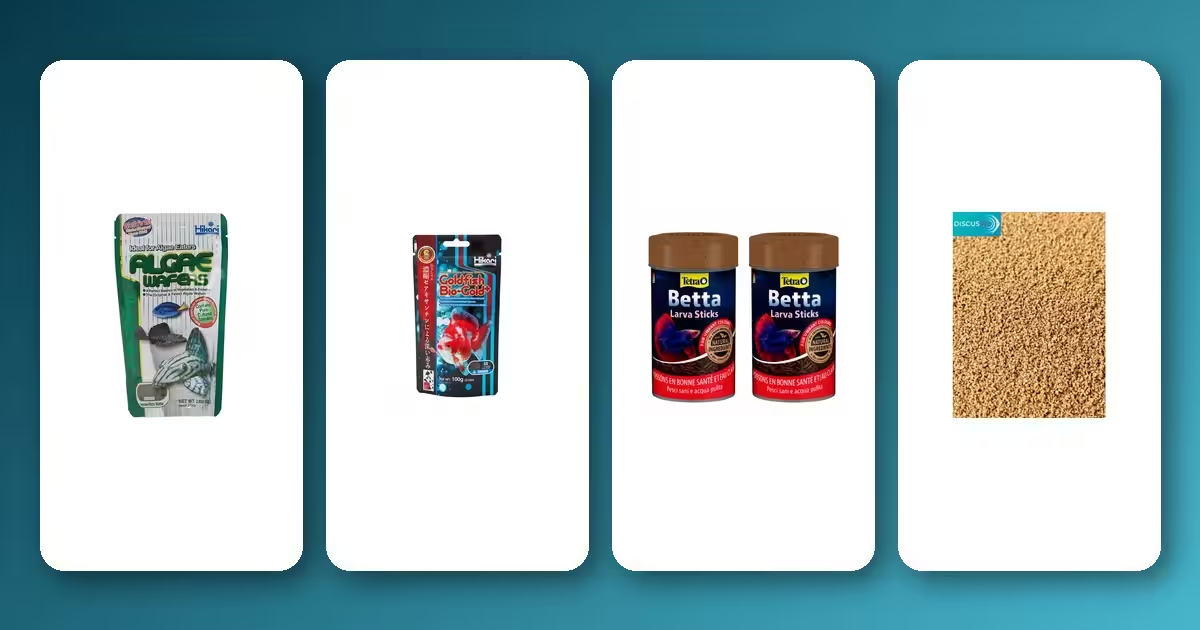
Wafers sink and hold together at the bottom, which suits plecos, corydoras, and loaches. An algae-based wafer such as Hikari Tropical Algae Wafers covers the plant-matter side of a pleco’s diet without dissolving into the water column the way a flake would.
Freeze-dried foods
Bloodworms, tubifex, brine shrimp, and krill are sold freeze-dried as occasional treats rather than a daily staple. They’re higher in fat than most staple foods, so they work best fed once or twice a week alongside a regular pellet or flake.
Live food
Daphnia, artemia, and blackworms are the most commonly fed live foods. They encourage natural hunting behaviour, which matters most for fussy or wild-caught fish that ignore dry food.
Best fish food for popular aquarium fish
Goldfish
Goldfish need food rich in carbohydrates and fibre rather than heavy protein, since too much protein is a known contributor to swim bladder problems in fancy varieties. Hikari Goldfish Bio Gold Plus is a sinking pellet formulated for this, and pairs well with an occasional vegetable-based supplement.
Betta fish
Bettas are carnivores. Look for a food listing fish meal, shrimp meal, or bloodworms as one of the first ingredients rather than grain fillers. Tetra Betta Larva Sticks is a small-format food sized for a betta’s mouth rather than a general community-tank pellet.
Guppies
Guppies do well on a balanced omnivore diet: tropical flakes, micro pellets, or a spirulina-supplemented food. Raifest Micro Pellets are sized small enough for guppies and other nano community fish that struggle with standard-size pellets.
Discus fish
Discus need higher, more consistent protein than most community fish, typically from high-protein granules, beef-heart-based mixes, or freeze-dried treats fed alongside a staple. DiscusX GrowX1 is a small pellet (0.5-0.8 mm) sized for juvenile and smaller discus, with a larger GrowX2 pellet for adults.
Cichlids
Cichlid diets split by species. Large carnivorous cichlids need protein pellets or shrimp-based foods, such as Teraa Carna Cichlid Food. Herbivorous cichlids, including most African Mbuna, need a spirulina-rich diet instead; feeding them a high-protein carnivore pellet is a common cause of bloat in this group.
Marine fish
Saltwater fish need marine-specific nutrition built around marine algae, krill, squid, shrimp, and seaweed rather than freshwater formulas. Ocean Prime Copepods is a frozen live-food option many reef keepers use to feed fish and corals that ignore dry pellets.
How to judge fish food quality
Read the ingredients list
A good product lists fish meal, shrimp meal, krill, spirulina, seaweed, vitamins, and minerals near the top of the ingredient list. Avoid foods where the first few ingredients are grain fillers rather than protein or algae sources.
Match protein percentage to species
Protein needs vary a lot by species. As a rough guide commonly used by fishkeepers:
- Tropical community fish: 35-45% protein
- Bettas: 40-50% protein
- Large carnivores: 45-55% protein
- Goldfish: 28-35% protein
Feeding a goldfish-level protein food to a betta, or vice versa, is one of the more common mismatches that shows up as poor growth or a swollen abdomen over time.
Buy from a seller who can tell you where it came from
Fish food is sold in enough volume that counterfeit or repackaged stock does turn up on marketplaces. Buying from a seller who stocks direct from the brand or an authorised distributor, and who can confirm a batch’s manufacture date on request, is worth more than a lower price on an unfamiliar listing.
Common mistakes when buying fish food
Aquarium owners commonly run into these mistakes:
- Buying on price alone
- Ignoring the fish species entirely
- Buying pellets too large for the fish’s mouth
- Feeding the same food indefinitely instead of rotating
- Ignoring expiry dates
- Buying an unfamiliar brand with no ingredient list shown
How often should you feed aquarium fish?
Feeding schedules depend on species and age:
- Adult fish: once or twice daily
- Fry: three to five small meals daily
- Large carnivorous fish: every one to two days, depending on species
Feed only what your fish can finish in two to three minutes. Overfeeding is the single biggest cause of poor water quality in home aquariums, since uneaten food breaks down into ammonia.
Signs your fish food is working
Healthy, well-fed fish typically show bright colour, active swimming, a strong appetite, steady growth, healthy fins, clear eyes, and (in mature fish) regular breeding behaviour. If your fish look lethargic, lose colour, or leave food uneaten at most feedings, it’s worth reviewing what and how much you’re feeding before assuming it’s a water quality or disease issue.
How to store fish food properly
- Keep containers tightly sealed between feedings.
- Store in a cool, dry place away from direct sunlight.
- Keep food away from moisture and humidity.
- Use clean, dry hands or a feeding spoon rather than a wet one.
- Buy a pack size you’ll use up within a few months of opening it.
Why buying fish food online works well
An online store can stock far more species-specific formats than a local shop’s shelf space allows, and lets you check the ingredient list and protein content before you buy rather than reading it off a pack after it’s already home. Add home delivery and the ability to compare products side by side, and it’s usually the faster way to find the right food rather than settling for whatever a shop happens to have in.
IndieFur stocks fish food across freshwater, planted, and marine categories, spanning brands such as Hikari, Tetra, Ocean Nutrition, DiscusX, Raifest, and Teraa, so you can match a product to your fish’s species rather than buying whatever’s labelled “tropical flakes.”
Frequently asked questions
What is the best fish food for aquarium fish?
It depends on the species. Bettas need high-protein food, goldfish do better on fibre-rich, lower-protein food, and most tropical community fish thrive on a balanced omnivore flake or pellet.
Can I feed all my aquarium fish the same food?
Not always. Fish sharing a community tank can usually share a balanced omnivore food, but species with specific needs, such as bettas, discus, and herbivorous cichlids, need their own food rather than whatever the rest of the tank eats.
How often should aquarium fish be fed?
Most adult fish do well fed once or twice a day, with only as much food as they can finish in two to three minutes.
Are pellets better than flakes?
Neither is universally better; it depends on the fish. Pellets are more nutrient-dense and produce less waste, while flakes suit small surface-feeding community fish better.
How do I know if fish food is high quality?
Check for a named protein source (fish meal or shrimp meal, not just “meal”), added vitamins and minerals, a recent manufacturing date, and packaging that’s properly sealed rather than resealed with tape or a clip.
Can overfeeding harm aquarium fish?
Yes. Overfeeding causes digestive problems in fish directly, and uneaten food raises ammonia levels, drops water quality, and feeds algae growth.
Final thoughts
Matching food to species is the biggest lever you have over a fish’s growth, colour, and long-term health, more than almost any other single care decision. Check ingredients and protein content before checking price, and rotate in an occasional freeze-dried or live treat rather than feeding the same flake every day for years.
A simple way to cover this without overthinking it: keep one species-matched staple pellet or flake as the daily food, and one occasional treat, such as an algae wafer for a pleco or freeze-dried bloodworms for a betta, on hand for variety. That combination covers daily nutrition and avoids the picky eating that shows up when a fish gets the exact same food at every meal.