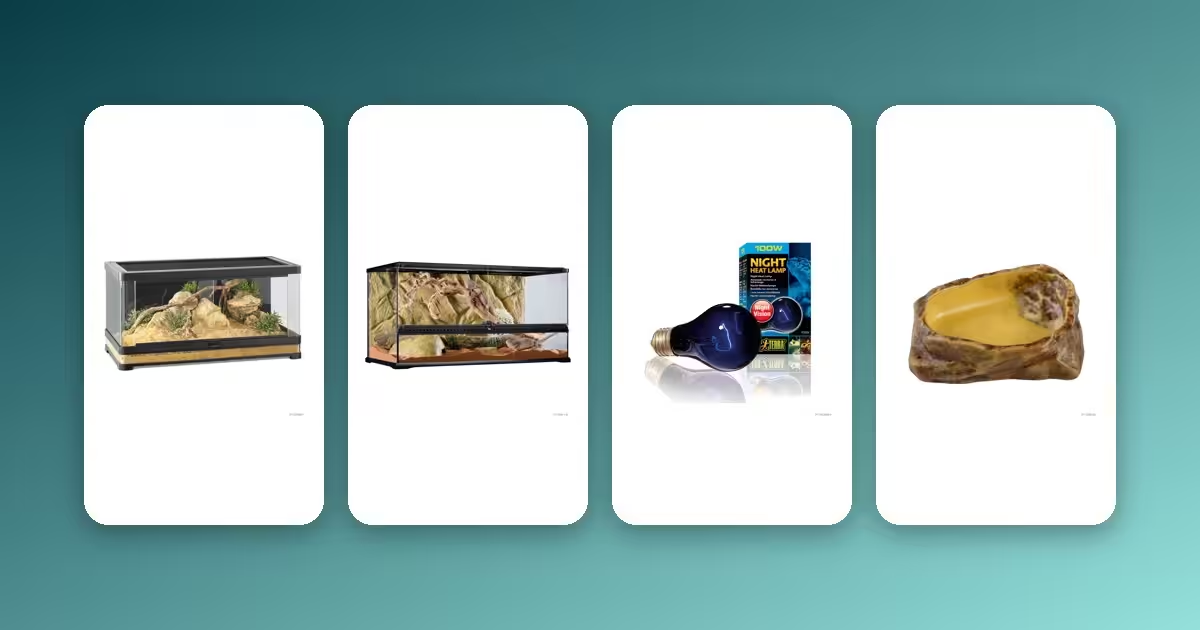
Building a reptile enclosure that actually meets their needs
Reptile keeping has grown quickly in India over the last few years, but many first enclosures are still built around what looks good rather than what the animal actually needs. A bearded dragon, leopard gecko or ball python doesn’t just need a glass box with a heat lamp. It needs a substrate that supports natural digging and burrowing behaviour, secure hides on both warm and cool ends of the enclosure, and enough environmental enrichment to keep it mentally engaged rather than simply surviving in a sterile box. Getting these three elements right early on makes a noticeable difference in how settled and active a reptile becomes.
Choosing the right substrate
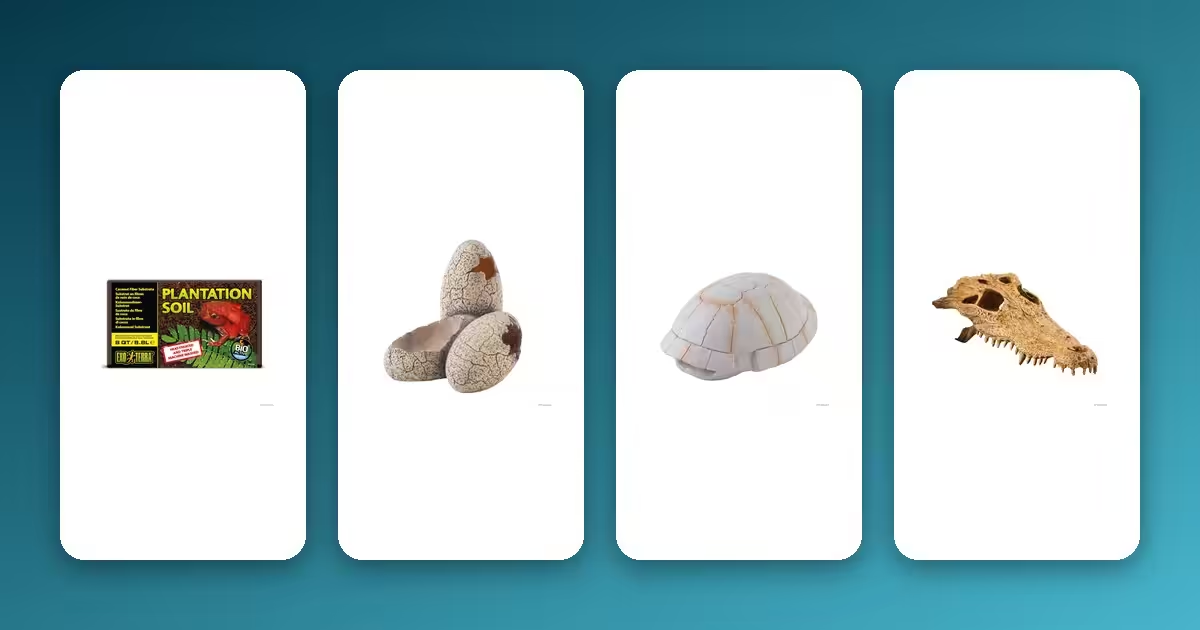
Substrate does more than sit at the bottom of the tank looking natural. It affects humidity retention, burrowing behaviour, and even digestive health if a species is prone to accidentally ingesting loose substrate while feeding. For species that benefit from digging and naturalistic humidity gradients, a compressed substrate brick that expands into a soil-like texture is one of the most versatile options available. The Exo Terra Coconut Fiber Plantation Soil Brick is a good example: it rehydrates into a loose, diggable substrate that holds humidity well, which is particularly useful for tropical and semi-tropical species that need higher ambient moisture than a dry desert setup provides.
Before choosing a substrate, always research your specific species’ needs. Desert species generally need a drier, sand-based or reptile-safe soil mix with excellent drainage, while tropical and rainforest species need substrates that hold moisture without turning waterlogged or growing mould. A substrate that’s wrong for the species can contribute to respiratory issues on the dry end or shell/skin problems on the overly damp end.
Hides: the most underrated enclosure item
A reptile without a secure hide is a stressed reptile, regardless of how well the temperature and lighting are dialled in. Most keepers know to provide one hide, but the better practice is providing at least two, one on the enclosure’s warm side and one on the cool side, so the animal never has to choose between feeling secure and thermoregulating properly. Naturalistic hides that double as visual enrichment, such as the Exo Terra Dinosaur Eggs Hide and Water Dish, combine a secure hiding spot with a built-in water dish, which is especially useful in smaller enclosures where every furnishing needs to serve more than one purpose.
Hides should fit the animal snugly rather than being oversized. A hide that’s too large won’t provide the enclosed, pressure-on-all-sides feeling that makes reptiles feel genuinely secure, so it’s worth sizing a hide to the current size of your animal and upgrading as it grows rather than buying one large hide meant to last its entire life.
Enrichment: moving beyond the basic box
Environmental enrichment is a newer concept in the reptile hobby but is increasingly recognised as important for reducing stress behaviours like glass surfing, refusal to eat, or excessive hiding. Enrichment doesn’t need to be complicated. Items that encourage climbing, investigating, and varied movement patterns go a long way. Decorative but functional pieces like the Exo Terra Tortoise Skeleton Secure Hiding Place or the Exo Terra Buffalo Skull double as both hides and climbing/investigation features, giving your reptile something to explore, use for scent-marking, or simply have as a novel object in an otherwise static enclosure.
Rotating and rearranging enrichment items every few weeks, such as moving a hide to a new spot, introducing a new climbing branch, or swapping one decorative hide for another, keeps the enclosure from becoming a static, memorised space and encourages the kind of natural exploratory behaviour reptiles display in the wild.
Putting it together: a basic setup checklist
- Use a substrate that matches your reptile’s natural humidity and digging needs.
- Provide at least two hides, one on the warm end and one on the cool end, sized appropriately to your animal’s current size.
- Confirm a stable temperature gradient with an accurate thermometer at both the basking spot and the cool end, not just an ambient room reading.
- Give your reptile clean water access, ideally in a dish sized so it can soak if the species benefits from it.
- Add at least one enrichment feature beyond the basic hide-and-water setup, such as a climbing piece, a decorative skull hide, or foliage for cover.
- Keep up a consistent maintenance routine: spot-clean waste daily and do a full substrate refresh on a schedule appropriate to the substrate type and species.
Common setup mistakes to avoid
- Choosing substrate based on appearance alone rather than the humidity and digging needs of the specific species.
- Providing only one hide, which forces the animal to choose between thermoregulation and feeling secure.
- Using an oversized enclosure for a young or small reptile, which can actually increase stress since the animal doesn’t feel it can control or monitor its space. Appropriately sized enclosures with room to grow are usually better than jumping straight to an adult-sized tank.
- Never rotating enrichment, leaving the enclosure static for months or years at a time.
- Skipping a proper humidity check. A hygrometer is just as important as a thermometer for most tropical and semi-tropical species.
The animal cares far more about substrate, security, and stimulation than about how the enclosure photographs. Start with the basics of substrate and hides, then build up enrichment gradually as you learn your individual animal’s preferences.