Protein skimmers are one of the few pieces of marine equipment where “bigger is always better” doesn’t hold: an oversized skimmer on a lightly stocked tank strips out too much, pulling beneficial elements and coral food along with waste, while an undersized one leaves organics to break down into nitrate and phosphate. This guide sizes real, currently stocked skimmer models by tank size and bioload rather than by brand alone.
Nano and Small Tanks
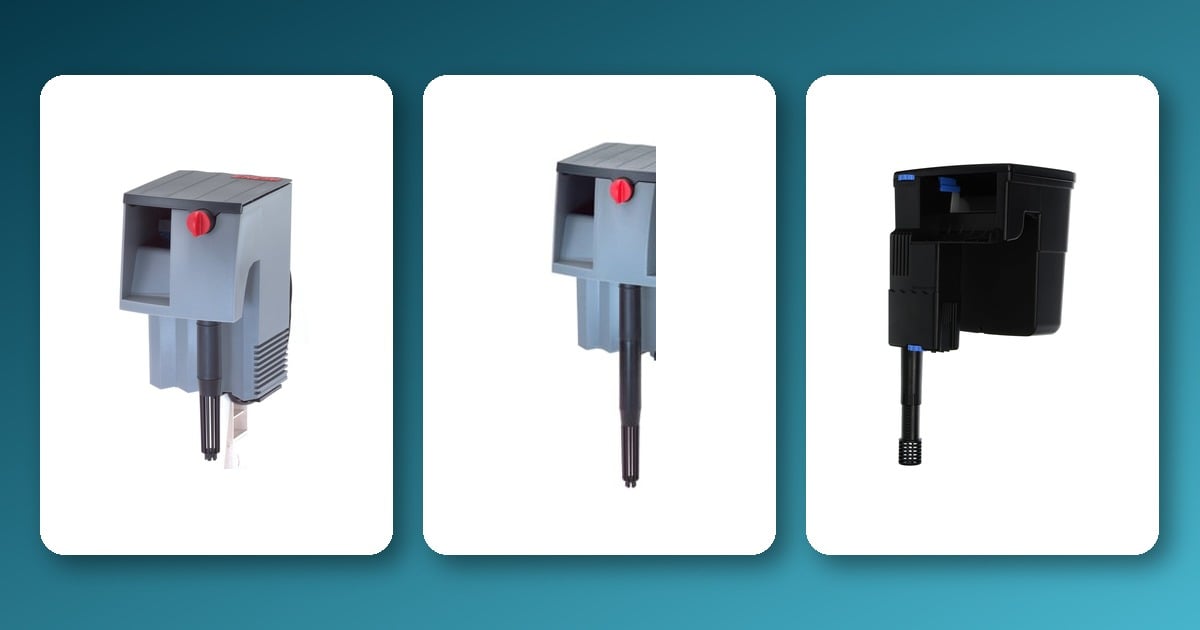
For nano and small reef systems, Aquavitro Division Skimmer 125 and the larger Division Skimmer 250 are built as compact hang-on or in-sump units sized specifically for the space constraints of a smaller system, where a full-size skimmer simply won’t fit in the available sump footprint.
Small to Medium Reef Systems
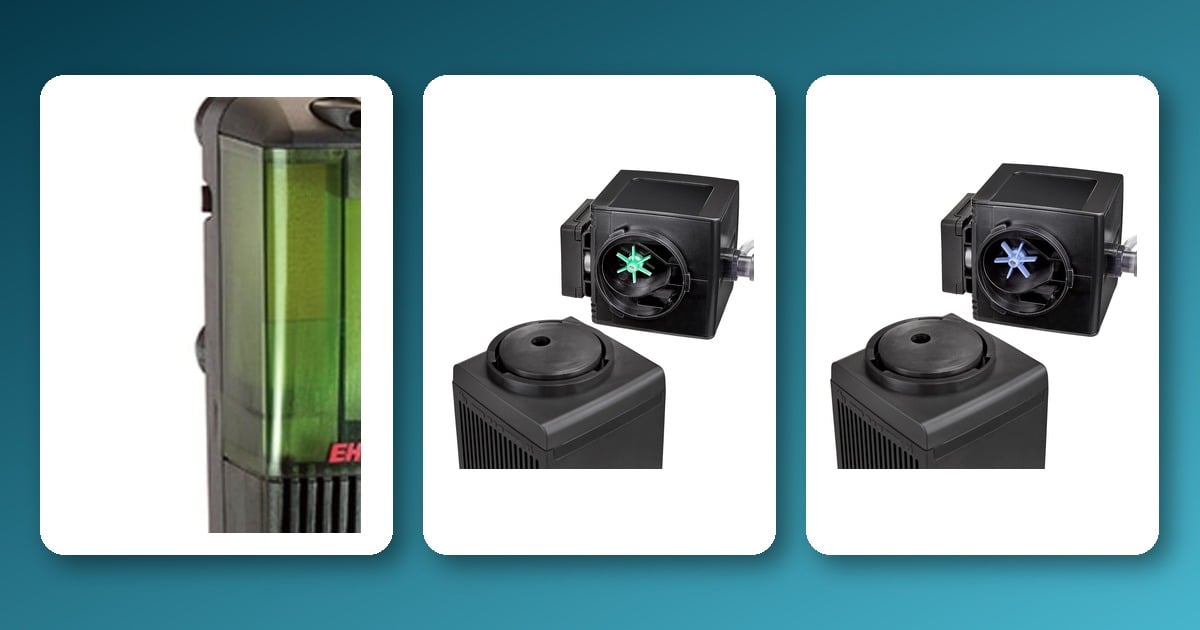
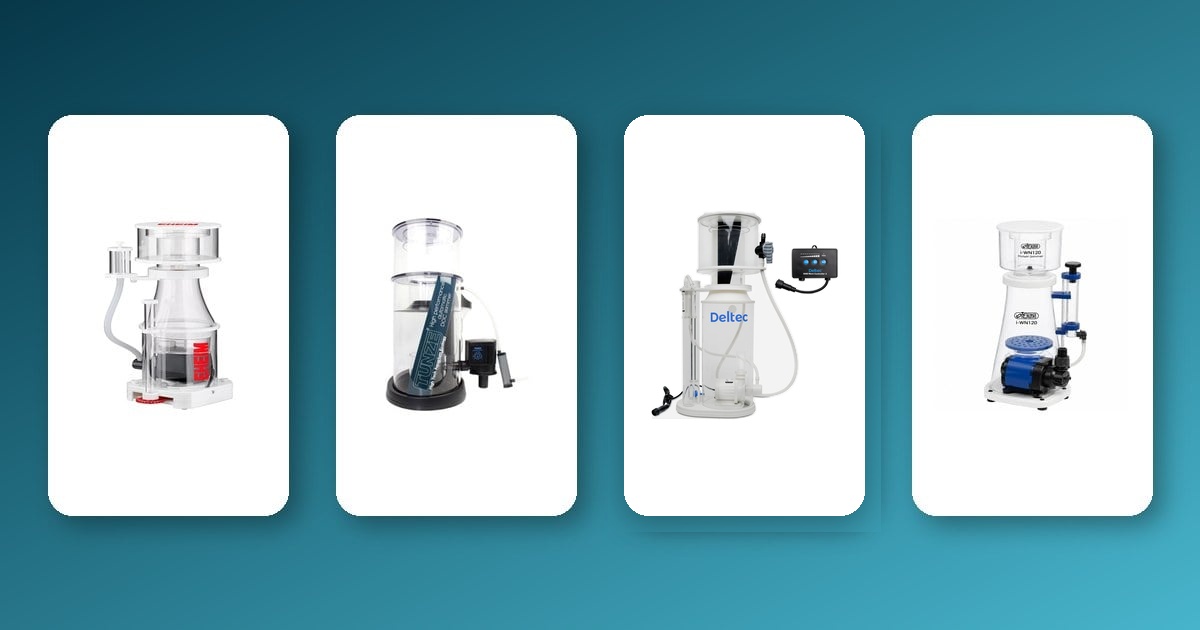
EHEIM Skim Marine 300 covers small-to-medium tanks stepping up from a nano skimmer, with the Skim Marine 600 sized for a noticeably heavier bioload or a larger display. Red Sea’s Reefer line takes the same step-up approach: the Reefer Skimmer RSK300 matches the Reefer 1000-class tank size, with matching DC Pump Upgrade Kit 300 available for hobbyists who want to move from the stock pump to a variable-speed DC pump for finer control over skim wetness and air draw.
Medium to Large Reef Systems
Moving up in tank size, the Red Sea Reefer Skimmer RSK600 (Reefer 1500-class, with matching DC Pump Upgrade Kit 600) and RSK900 (Reefer 2000-class, DC Pump Upgrade Kit 900) scale skimming capacity in step with Red Sea’s own tank sizing, which makes matching skimmer to display straightforward if you’re already running a Reefer system. Deltec’s numbered range follows a similar logic across a wider size spread: the Deltec Skimmer 400i, 600i, 1000i, 1500i, and 2000i give a finer-grained size ladder than most competing lines, useful if your tank volume falls between two typical size brackets rather than matching a standard tier exactly.
Tunze’s DOC Skimmer Range
Tunze’s DOC (Dissolved Organic Compound) skimmers cover an unusually wide span from nano to large systems, split between standard AC-pump models and DC-driven variants with variable speed control. The Tunze DOC Skimmer 9001 and 9001 DC suit nano-to-small tanks, the 9004 and 9004 DC step up to small-to-medium systems, and the 9410 DC, 9415, 9430, and 9404 cover medium-to-large reef systems. The DC variants across the range add adjustable pump speed, which matters most when bioload changes over time (heavier fish stocking or coral growth) and you want to increase skim aggressiveness without replacing the whole unit.
Quick Reference
| Tank size / need | Skimmer |
|---|---|
| Nano / small reef | Aquavitro Division Skimmer 125/250, Tunze 9001/9001 DC |
| Small-to-medium reef | EHEIM Skim Marine 300, Red Sea RSK300, Tunze 9004/9004 DC |
| Medium reef | EHEIM Skim Marine 600, Red Sea RSK600 |
| Medium-to-large reef | Red Sea RSK900, Deltec 1000i/1500i |
| Large reef | Deltec 1500i/2000i, Tunze 9410 DC/9415/9430 DC/9404 |
| Finer-grained size matching | Deltec numbered range (400i-2000i) |
| Variable-speed skim control | Red Sea DC Pump Upgrade Kits, Tunze DC models |
How to Actually Size One
Match the skimmer’s rated tank size to your system’s total water volume, not just the display tank. Sump and refugium volume count toward total system size and change how much a skimmer needs to process. When your bioload sits between two size tiers, size up rather than down; a skimmer running slightly under capacity is easy to dial back with a valve or DC speed control, while one that’s genuinely undersized can’t be corrected without replacing it. If you’re running or planning a Red Sea Reefer system specifically, matching the Reefer-branded skimmer to your tank’s model number is the simplest path since the sizing is already done for you.
Protein Skimmer Sizing Calculator
Enter your total system volume (display + sump + refugium, as covered above) and your bioload. Skimmer ratings change significantly with bioload, so the same skimmer suits a much smaller SPS tank than a fish-only one. This uses each manufacturer’s own published rating for the bioload you pick.
Ratings are the manufacturers’ own published figures. Where a manufacturer publishes a single overall rating rather than per-bioload bands, that figure is used and flagged.