Most filter buying guides are written for conditions that don’t fully match what a lot of Indian aquarium keepers actually deal with: municipal tap water that runs noticeably harder and more heavily treated than the soft, low-TDS water many international guides assume, summer heat that pushes water temperature up and dissolved oxygen down at the same time, power supply that isn’t always continuous, and a monsoon season that puts real humidity stress on anything electronic. None of this means you need exotic equipment. It means the sizing, media, and feature choices you make matter more here than they would in more forgiving conditions. This guide is about those conditions specifically, not a general “best filters” roundup with an India label attached.
Why Indian conditions are genuinely different
Four factors compound in ways that most generic filter advice doesn’t account for. Municipal tap water in much of the country commonly runs on the harder, higher-TDS side, and is chlorinated or chloraminated for public health reasons that have nothing to do with your fish tank but affect it anyway. Every water change reintroduces a dose of chlorine or chloramine that a filter’s biological colony has to absorb and recover from. Summer heat pushes tank water temperature up, and warmer water holds meaningfully less dissolved oxygen than cooler water, right at the time your fish’s metabolism (and their oxygen demand) is also rising. Power cuts stop filtration outright, and a stalled biological filter starts working against you within hours rather than days, since the colony needs continuous oxygenated flow to stay alive. And monsoon humidity is a slow, cumulative stress on any motor housing or electronic control unit, not a dramatic one. It shows up as premature corrosion or connector failure months down the line rather than an immediate problem.
Filter media that actually matters here
The media setup that copes best with these conditions is the same three-stage design covered in our canister filter buying guide‘s media section: mechanical foam to trap particulates, biological ceramic or bio-rings to house the bacterial colony, and chemical carbon to actively absorb chlorine, chloramine and organic compounds rather than just diluting them. The chemical stage is doing more real work here than in a softer, less-treated water supply. Carbon is what actively neutralizes the chlorine dose that comes with every water change, rather than just letting the colony absorb the hit and recover on its own.
Sizing a tier larger as a safety margin
The standard advice to size toward the middle of a filter’s rated range rather than the bare minimum matters more here, not less. A filter with real headroom absorbs the combined stress of summer heat, harder water, and the occasional outage far better than one sized to the exact minimum for calm, ideal conditions. Our filter sizing & turnover-rate guide covers the actual turnover math, and for conditions like these, aim for the upper half of the range that guide’s tables give you rather than the lower half.
Surviving a power cut without losing your bacteria
Two practical things help here. A small battery-backup air pump (inexpensive and worth keeping on hand regardless of what filter you run) keeps some circulation and gas exchange moving during an outage, which buys real time for the biological colony even though it isn’t providing full filtration. It’s a genuinely cheap insurance policy relative to what a full colony crash costs in recovery time.
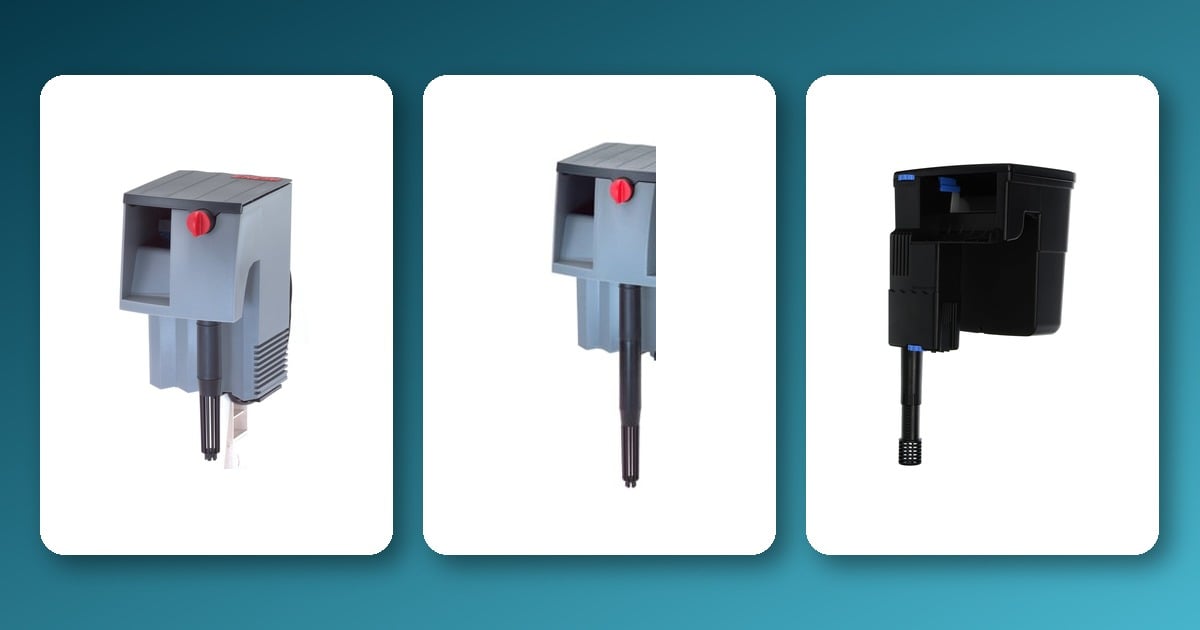
The other relevant point is a genuine EHEIM design feature, not a marketing claim invented for this guide: EHEIM’s LiBERTY hang-on-back range automatically restarts filtration once power is restored, with no manual re-priming needed. That matters specifically where outages are frequent and unpredictable, since a filter that needs to be manually restarted after every cut is a filter that, in practice, sits idle for however long it takes someone to notice and intervene.
In-stock options worth considering
None of the products below were engineered specifically “for India.” That would be an overstatement no manufacturer has made. What’s true is that certain existing, real features happen to suit these conditions well, and it’s worth knowing which ones as you shop.
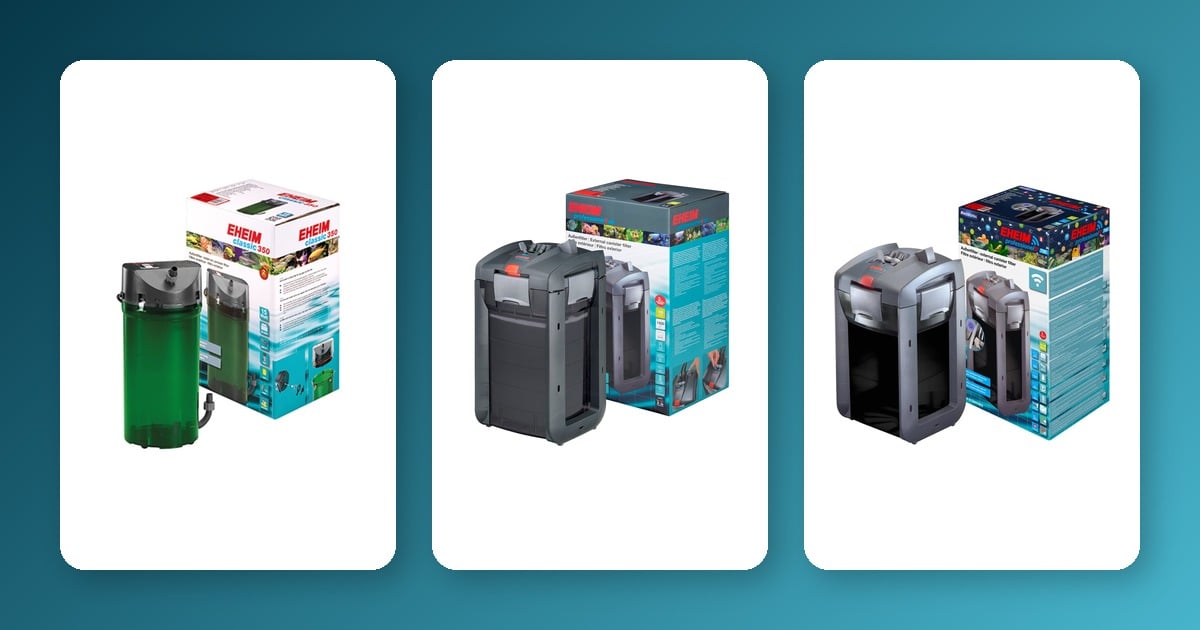
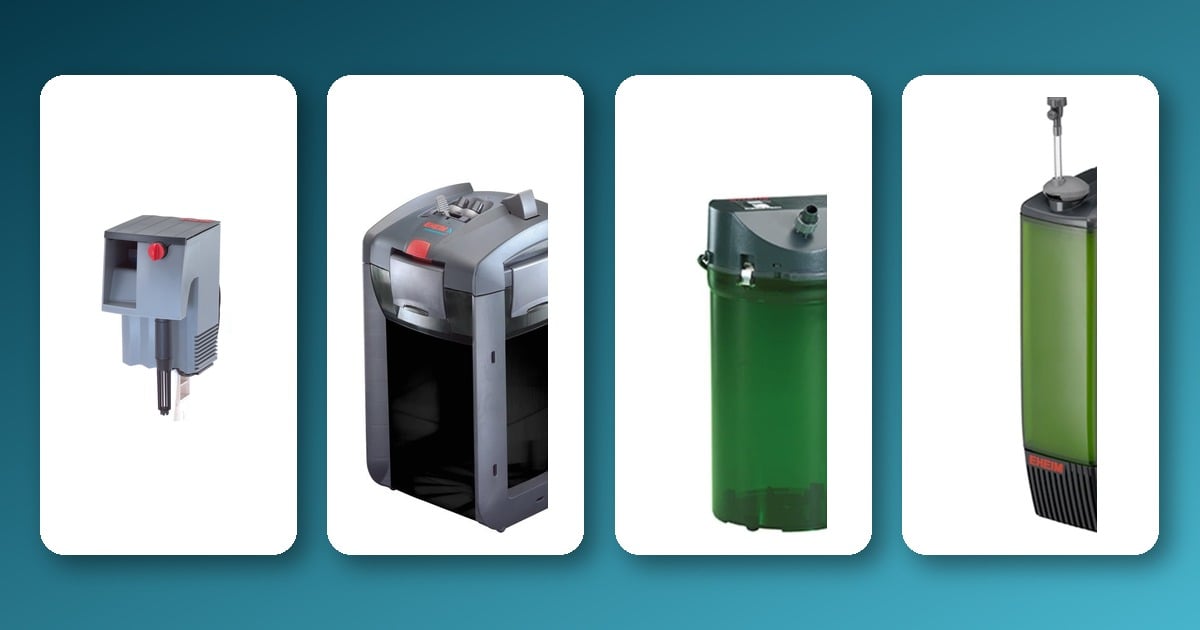
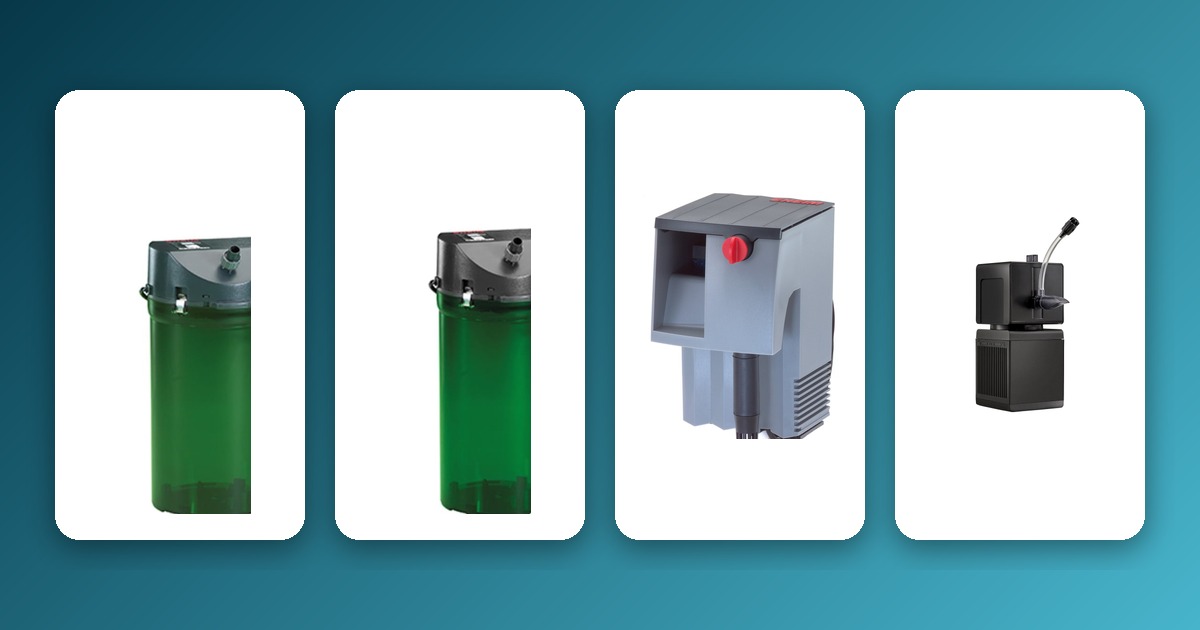
The EHEIM Classic Filter 250 and EHEIM Classic Filter 350 are worth considering less for any single standout feature than for their track record: a simple, mechanically robust design with fewer electronic parts to be affected by humidity, which is a genuine advantage in less predictable power and climate conditions. There’s less to go wrong, in a setup where things going wrong is a real possibility.
The EHEIM LiBERTY Hang On Filter 75 Litre is the relevant pick specifically for its auto-restart-after-power-loss behavior, covered above. It’s the single most directly useful feature on this list for frequent-outage conditions.
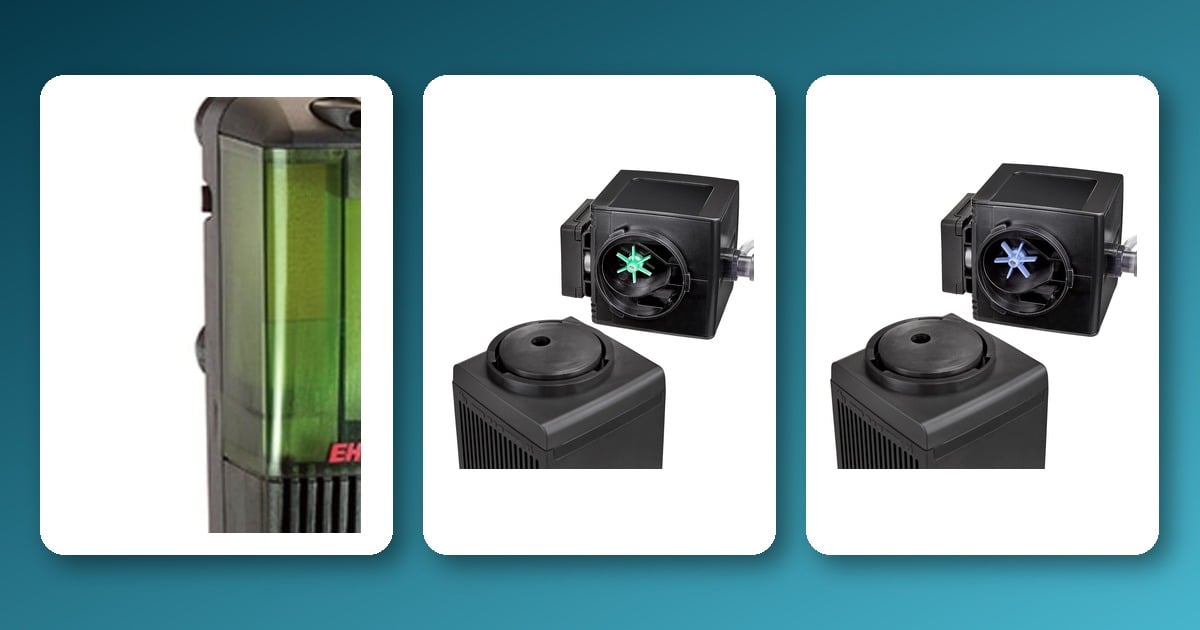
For smaller tanks, the Sicce Internal Filter Shark Pro 500 is a lower-cost, simple alternative outside the EHEIM range. An internal filter has no external hoses or seals to be affected by humidity over time, and its mechanical simplicity is a real asset here for the same “less to go wrong” reason as the EHEIM Classic above.
Protecting electronics through the monsoon
The humidity risk from monsoon season is slow and cumulative rather than sudden, which is exactly why it’s easy to overlook until a motor housing or control unit fails months later than the actual damage started. A few habits reduce the real risk without needing anything specialized: keep the filter’s motorhead and any electronic control unit away from direct splash and standing condensation, ensure the cabinet or shelf the filter sits on has some airflow rather than sitting sealed and damp, and wipe down external housings periodically during the wettest months rather than only when something already looks wrong. None of this is unique to aquarium equipment (it’s the same basic care any electronics in a humid environment benefit from), but it’s worth stating explicitly here since generic filter guides written for drier climates rarely mention it at all.
Frequently asked questions
Does hard water damage a filter over time? It can contribute to mineral scale buildup inside impellers, hoses and spray bars over months of use, which is one more reason regular impeller checks matter more here than in a soft-water region. See our canister filter cleaning steps for what to check and how often.
How long can beneficial bacteria survive a power cut? Treat it as hours, not days, before the colony is under real stress. The bacteria need continuous oxygenated water flow, and a stalled filter stops providing that immediately, not gradually. A short outage is generally recoverable without intervention; a prolonged one is where a backup air pump earns its cost.
Should I run an extra air pump during summer? It’s a reasonable precaution, particularly on a heavily stocked tank, since warmer water holds less dissolved oxygen right when fish metabolism and oxygen demand are both elevated. An air stone or extra surface agitation during the hottest months is a low-cost way to add a margin of safety rather than a strict necessity for every tank.
Does a UPS or inverter make sense for an aquarium filter? For a heavily stocked or valuable tank in an area with frequent, longer outages, a small UPS or inverter sized for the filter’s actual wattage is a reasonable investment. It keeps full filtration running rather than just the partial gas-exchange benefit a battery air pump provides. For a lightly stocked tank in an area with only occasional short cuts, a battery-backup air pump is usually a sufficient and far cheaper safeguard.