

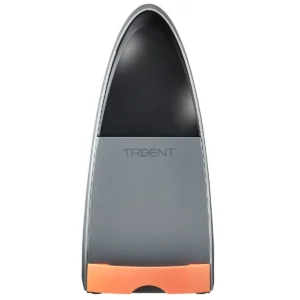
 Neptune Trident ACM Alkalinity, Calcium and Magnesium Tester (without reagents)
  API Nitrite Test Kit
  Seachem Reef Phytoplankton 250 ml
  Hikari Cichlid Bio Gold Plus 250 gm Mini Pellet
  Hikari Massivore Delight 380 gm
  API Ammonia Test Kit
  Hikari Cichlid Excel 250 gm Mini Pellet
  Exo Terra Natural Terrarium - Advanced Reptile Habitat 45 X 45 X 30 Cm
  ISTA Zeolite
  Seachem Phosbond 100 ml
  Nitrite Remover for 306/406, 307/407 Canister Filter, 6-Pack
  Raifest Micro Pellets 100 gm
  Hikari Fancy Guppy
 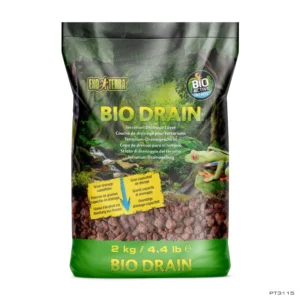 Exoterra Bio Drain 4.4 lb – 2 kg
  Micmol Pro Stand G3 Aqua Air Series 300, 600 - Small
  Raifest Nano Pellets 60 gm
  Tetra Pro Algae
  Red Sea ReefRun 7000 Controllable DC Pump
  Aquavitro Division Skimmer 250
  Seachem Replenish
  Seachem Reef Zooplankton 500 ml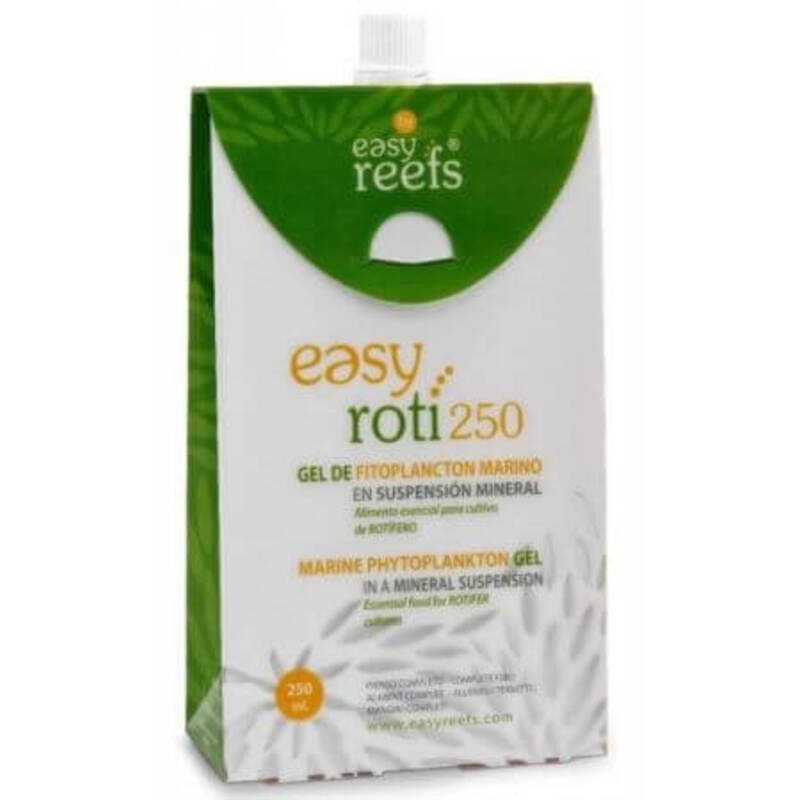
Easy Reefs Easyroti 250 ml
₹ 1,980
Out of stock
FREE Delivery across India.
All Shipments insured against damage and loss.
 Got Questions? Click Here.
All Shipments insured against damage and loss.
100 % Purchase Protection
Original Products | Secure Payments
Description
Easy Reefs Easyroti 250 ml
For rotifer culture. For rotifer culture two easy reefs® microalgae species are used: Nannochloropsis (80%) +Tetraselmis (20%). The dosage will depend on the number of rotifers reached. The average consumption is of 4 ml Easyroti per liter of rotifer culture per day (25% of rotifer will be harvested every day). To keep a rotifer culture follow the directions below: Material needed: 3 cylinder flasks of 2 L with slow bubbling. Rotifer inoculums. Food needed: easy reefs® Nannochloropsis (80%) +Tetraselmis (20%) Culture cycle from strain: 5 days Recommended sea water density: 1019, although they can be cultured well up to 1022. Culture temperature: 22ºC to 28ºC. Optimum culture temperature: 24ºC. To filter the rotifer you should use a 50 micron net. Once you start the culture you will be able to harvest rotifers after 6 days. You will have one flask for the “strain” and another one for the “production” culture. The information that follows describes the dosage to be used in ideal conditions assuming that the rotifer density is the ideal. Sometimes it is possible that the amounts of microalgae that are being added do not adjust to the rotifer demand. This is because in aquariums people don’t count rotifers, so the amount of microalgae added is not exact to the amount of rotifer. If the culture water gets clear this would mean that the amount of microalgae wasn’t enough. If rotifer remains with no food for more than 4 hours, the number of eggs will decrease and so will the population growing yield. It is essential that the rotifer always have food. Rotifers are very sensitive to changes of water parameters. Rotifer population would be affected if the water quality decreases. If you observe an excess of dirtiness in the cylinder then you should filter the rotifer and start the culture in a new clean flask and add the amount of microalgae needed. Depending on the intensity of the green color that the flask has, this will indicate the amount of microalgae needed. With time and experience, the difference in green colour will let us do our own feeding protocols. There is no difference in using live or Easyroti as food. We will put a glass tube with a gentle air bubbling (5-10 bubbles per second) in the graduated flask used for the rotifer culture. This air bubbling will provide a homogeneous mixture in the culture. An excessive water movement will make rotifers to loose their eggs and this way they won’t hatch. It is recommended to feed twice a day. But due to the lack of time, rotifers are usually fed once a day.Related products
-
5% OFF

Seachem Reef Phytoplankton 500 ml
Original price was: ₹ 2,570.₹ 2,442Current price is: ₹ 2,442. -
5% OFF

Seachem Reef Zooplankton 250 ml
Original price was: ₹ 1,400.₹ 1,330Current price is: ₹ 1,330.


Reviews
0%
0%
0%
0%
0%
0 of 0 reviews
Sorry, no reviews match your current selections
Q & A
Ask a question
There are no questions yet


