Freshwater shrimp are more sensitive to water parameters than most community fish, and a tank built with the same defaults as a fish tank often fails them within weeks. This guide covers what’s actually different about shrimp keeping: species selection, water chemistry, cycling, and feeding, before you buy anything.
Neocaridina vs Caridina Shrimp
Neocaridina shrimp (Cherry Shrimp, Red Rili, Blue Dream, and similar color morphs) are the right starting point for almost every beginner. They tolerate a wide GH/KH range, breed readily, and are forgiving of minor parameter swings that would stress more sensitive species.
Caridina shrimp (Crystal Red/Black, Sulawesi species, Bee shrimp) need soft, acidic water within a narrow range and are far less forgiving. They’re a second-tank project once you’ve got Neocaridina care down, not a first purchase. Remineralized RODI water is close to mandatory for keeping them long-term.
Tank Size & Setup Basics
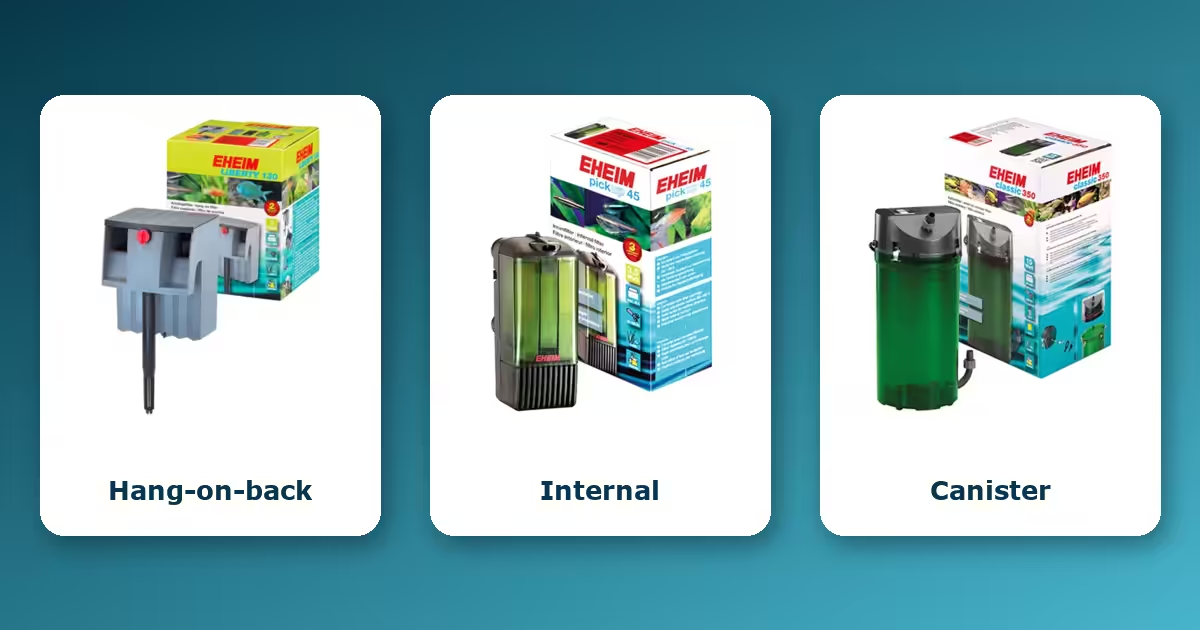
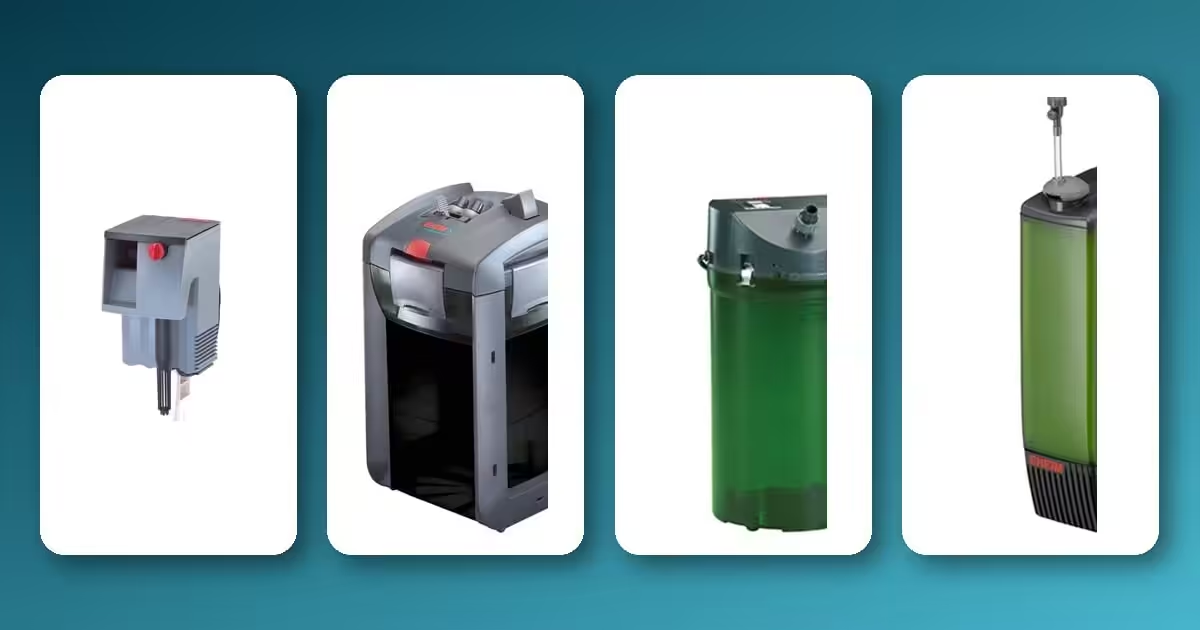
Counterintuitively, smaller tanks are harder to keep stable than larger ones, since less water volume means parameter swings happen faster. Start with at least 10-20 litres rather than a true nano tank. Plant heavily, or add moss (Java Moss, Christmas Moss), since baby shrimp need dense cover to hide from adults and from each other immediately after molting. Use a sponge filter or a fine intake guard on any standard filter, since shrimp and especially shrimplets get pulled into unguarded filter intakes.
Water Parameters That Matter
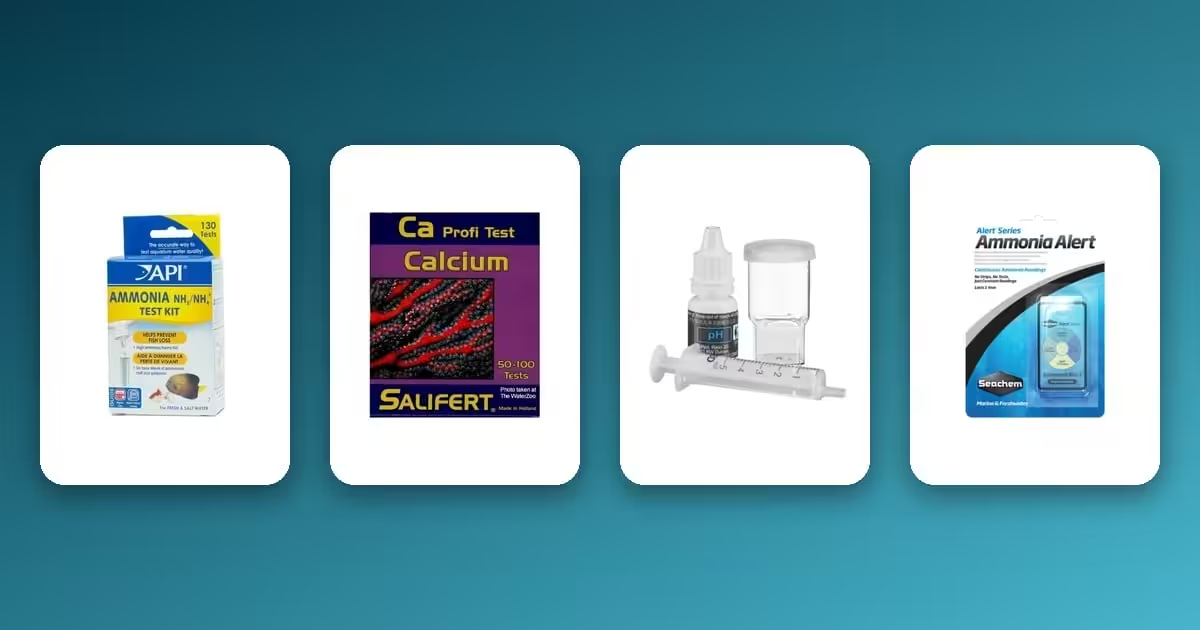
Test GH and KH specifically, not just pH. Neocaridina generally do well around GH 6-8 / KH 2-4, while Caridina species need much softer water and stable, usually lower, GH/KH. Temperature in the 22-24°C range is safer than pushing warmer, since heat accelerates metabolism and shortens shrimp lifespan. The single most important rule: copper is lethal to shrimp even in trace amounts. Check that any fertilizer, medication, or tap water conditioner used in a shrimp tank is explicitly copper-free: many general fish medications and some plant fertilizers are not.
Cycling Before Adding Shrimp
Shrimp are more sensitive to ammonia and nitrite than most fish, so a partial or rushed nitrogen cycle that a hardy fish might survive can wipe out an entire shrimp colony. Fully cycle the tank first (ammonia and nitrite both reading zero, nitrate present), and ideally let it run planted and stable for a couple of extra weeks beyond that before adding shrimp.
Feeding Shrimp
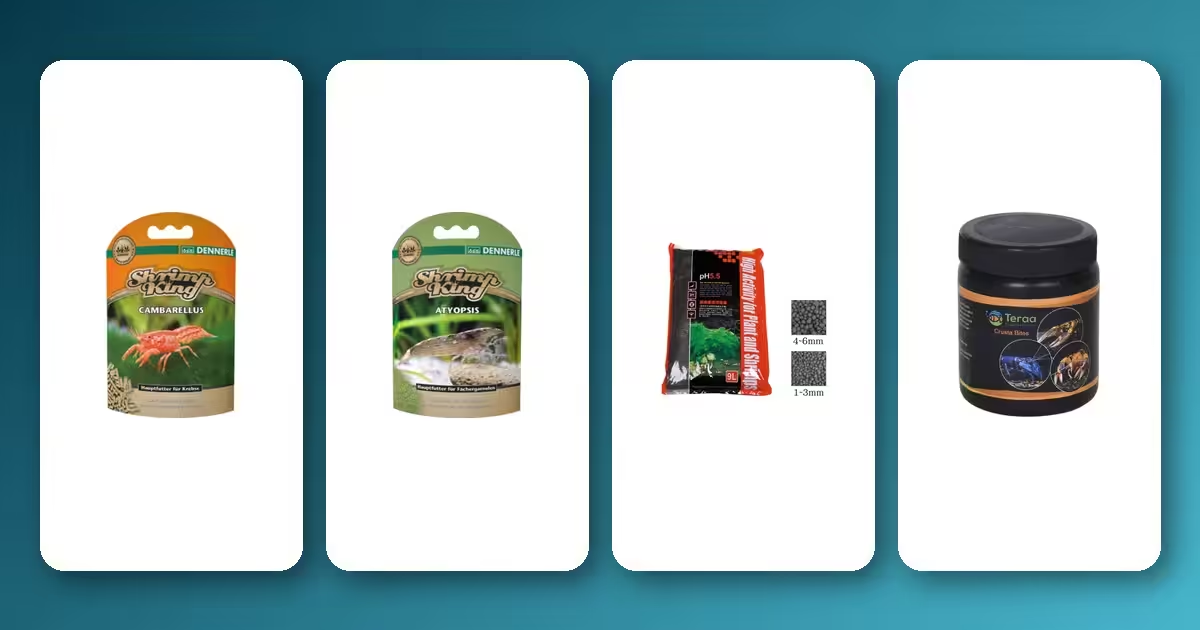
Shrimp graze biofilm and algae continuously and need far less supplemental feeding than fish. Overfeeding is a much more common mistake than underfeeding, since uneaten food fouls water fast in a small tank. Purpose-made shrimp foods and mineral supplements (like the Shrimp King range) are formulated around this lower feeding volume, plus the mineral needs shrimp have that standard fish food doesn’t cover.
Common Mistakes
- Adding shrimp before the tank is fully cycled
- Using a copper-containing fertilizer or medication in a shrimp tank
- Overfeeding, which crashes water quality fast in low-volume tanks
- Mixing different Caridina varieties, which interbreed and lose their color lines over generations
- Skipping GH/KH testing and only checking pH, which misses the parameters shrimp actually care about most
Shop for Your Shrimp Tank
Browse Freshwater Shrimp Food and Planted Aquarium Test Kits for GH/KH testing at IndieFur.
FAQ
Can I keep shrimp with fish?
Neocaridina can coexist with small, peaceful fish that won’t hunt them, but most fish will eat shrimplets given the chance, so a shrimp-only tank is the safest way to build up a breeding colony.
How many shrimp should I start with?
10-15 Neocaridina is a reasonable starting colony size for a 10-20L tank, enough to establish a breeding population without overloading a new setup.
Why do my shrimp keep dying with no obvious cause?
Check for copper exposure first (fertilizers, tap water, medications), then verify the tank is fully cycled. Both are the most common invisible killers in shrimp tanks.